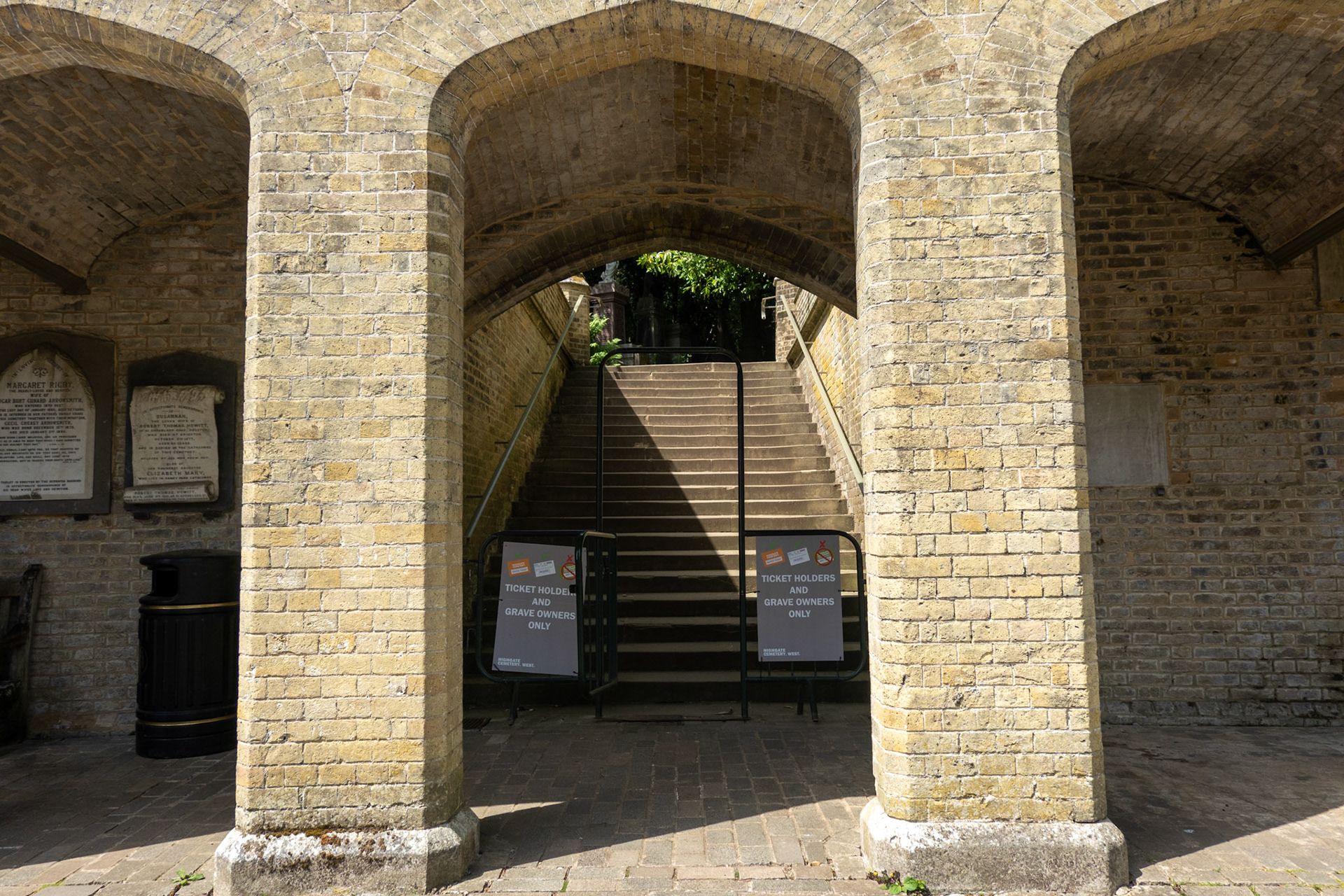
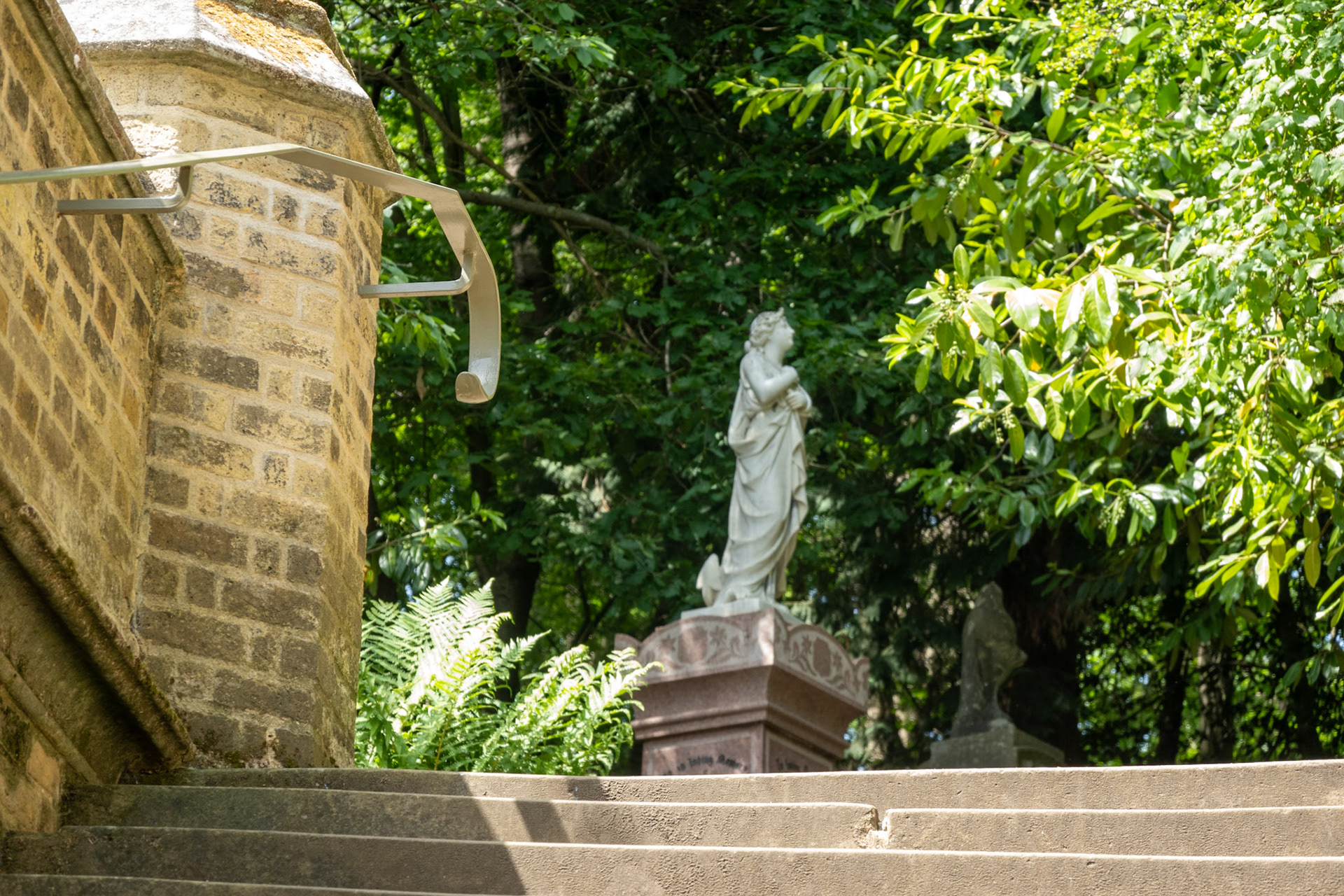
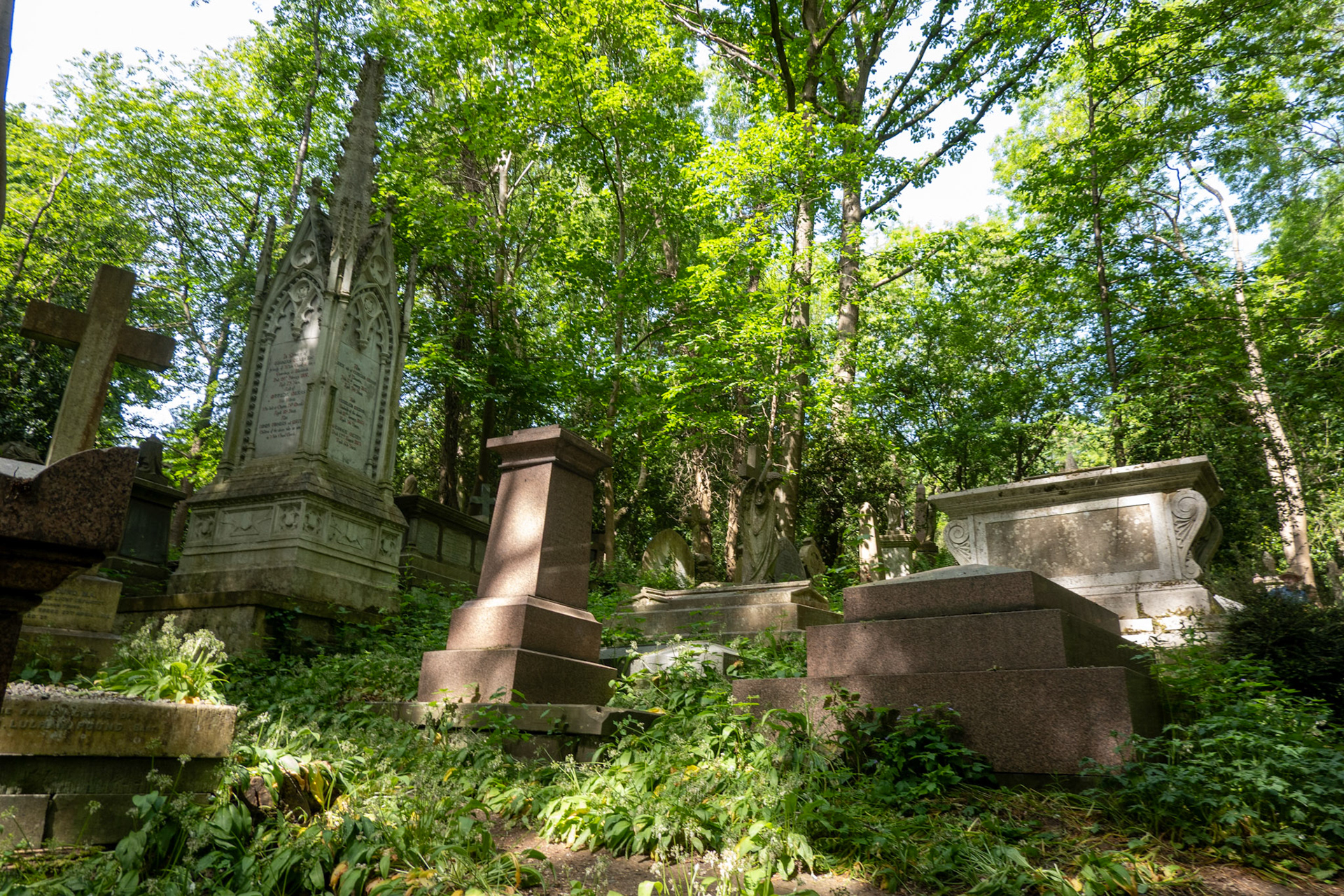
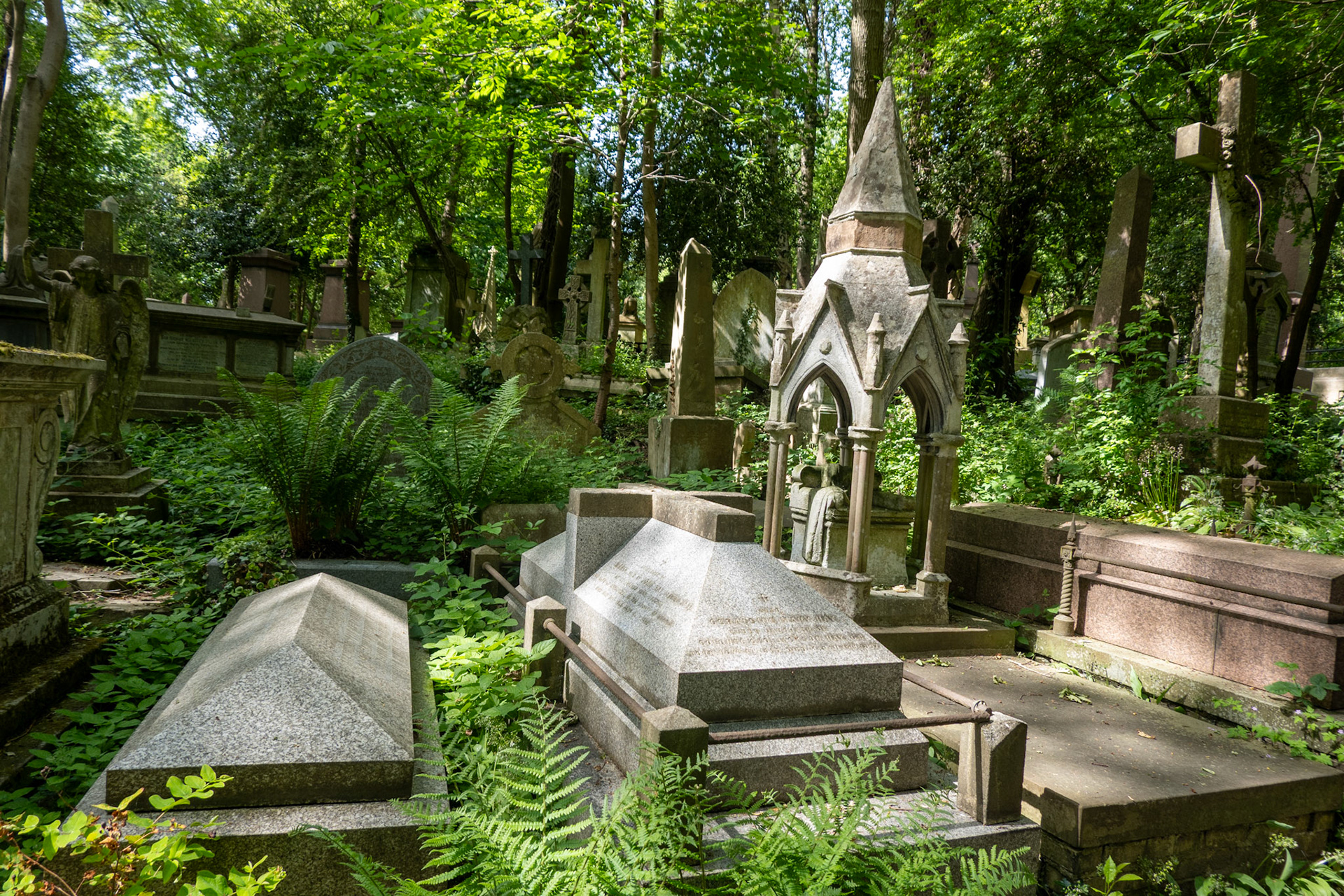
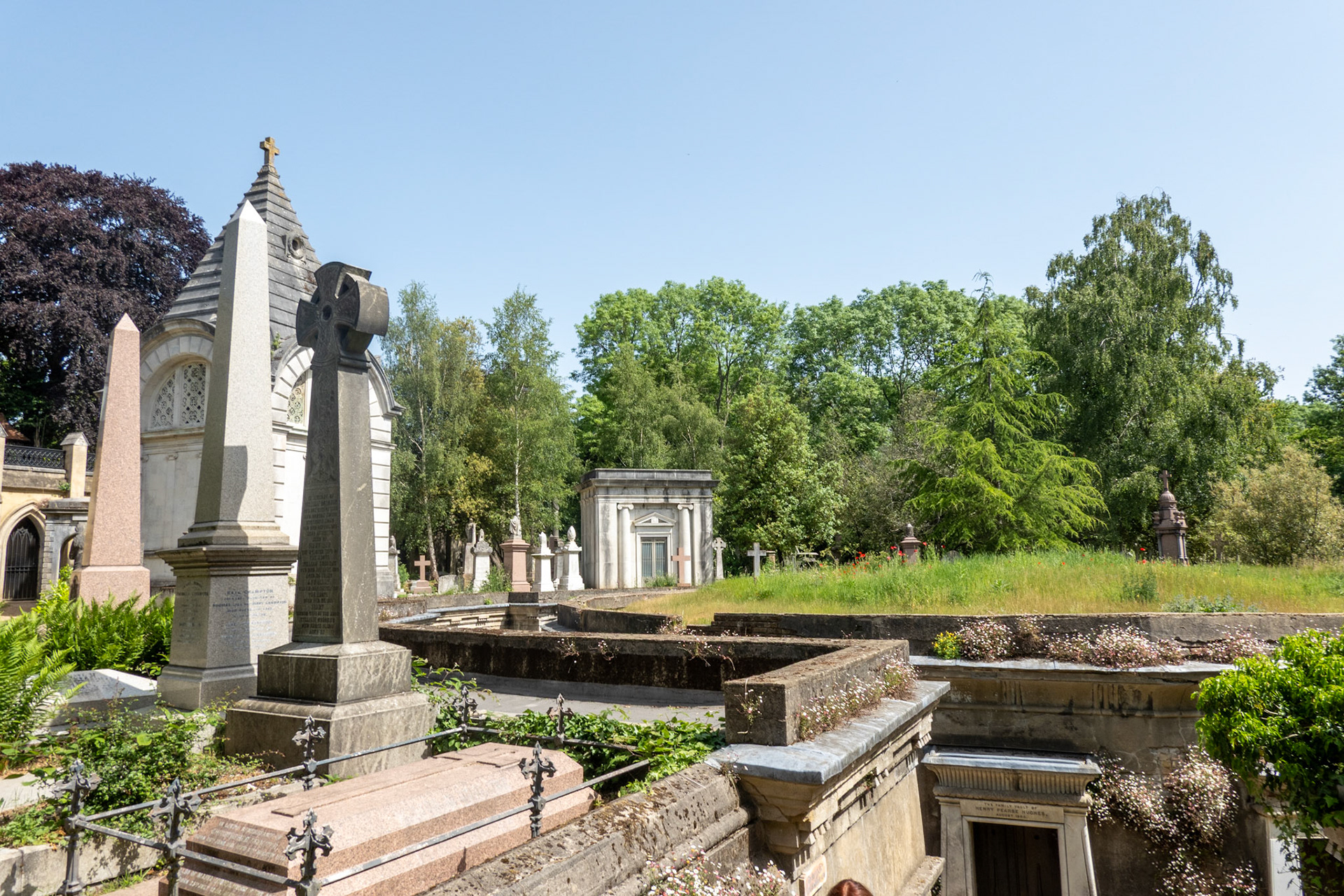
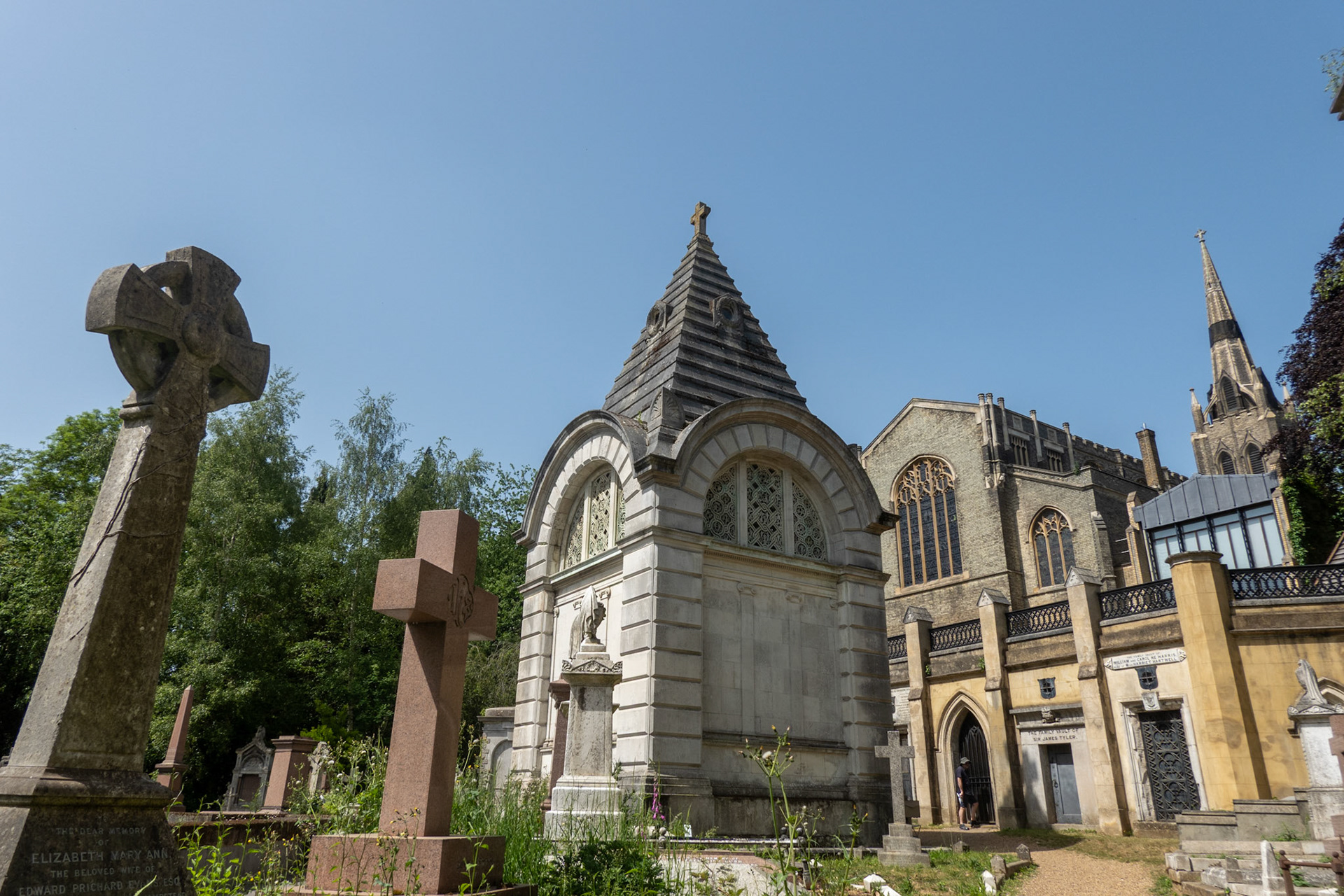
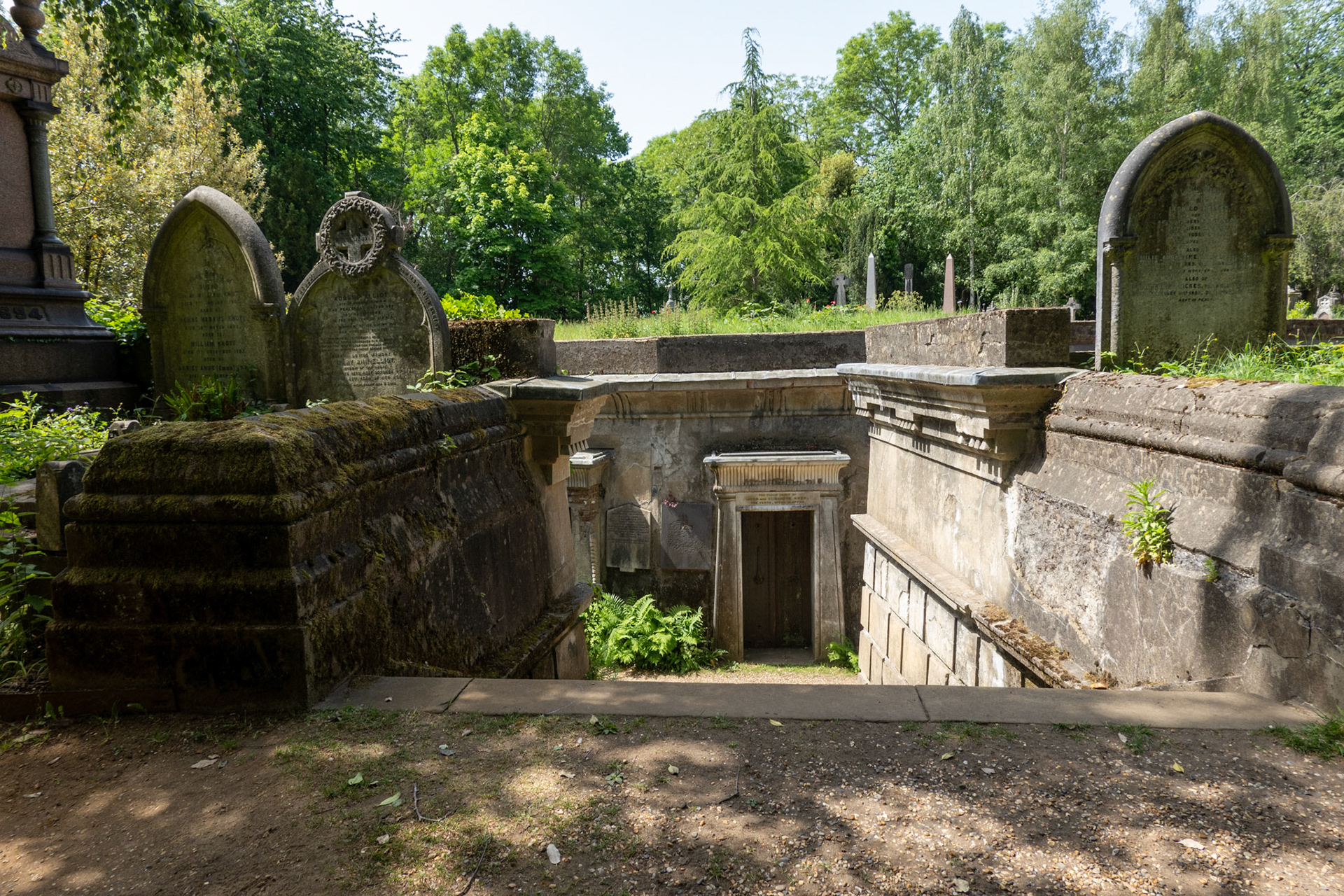
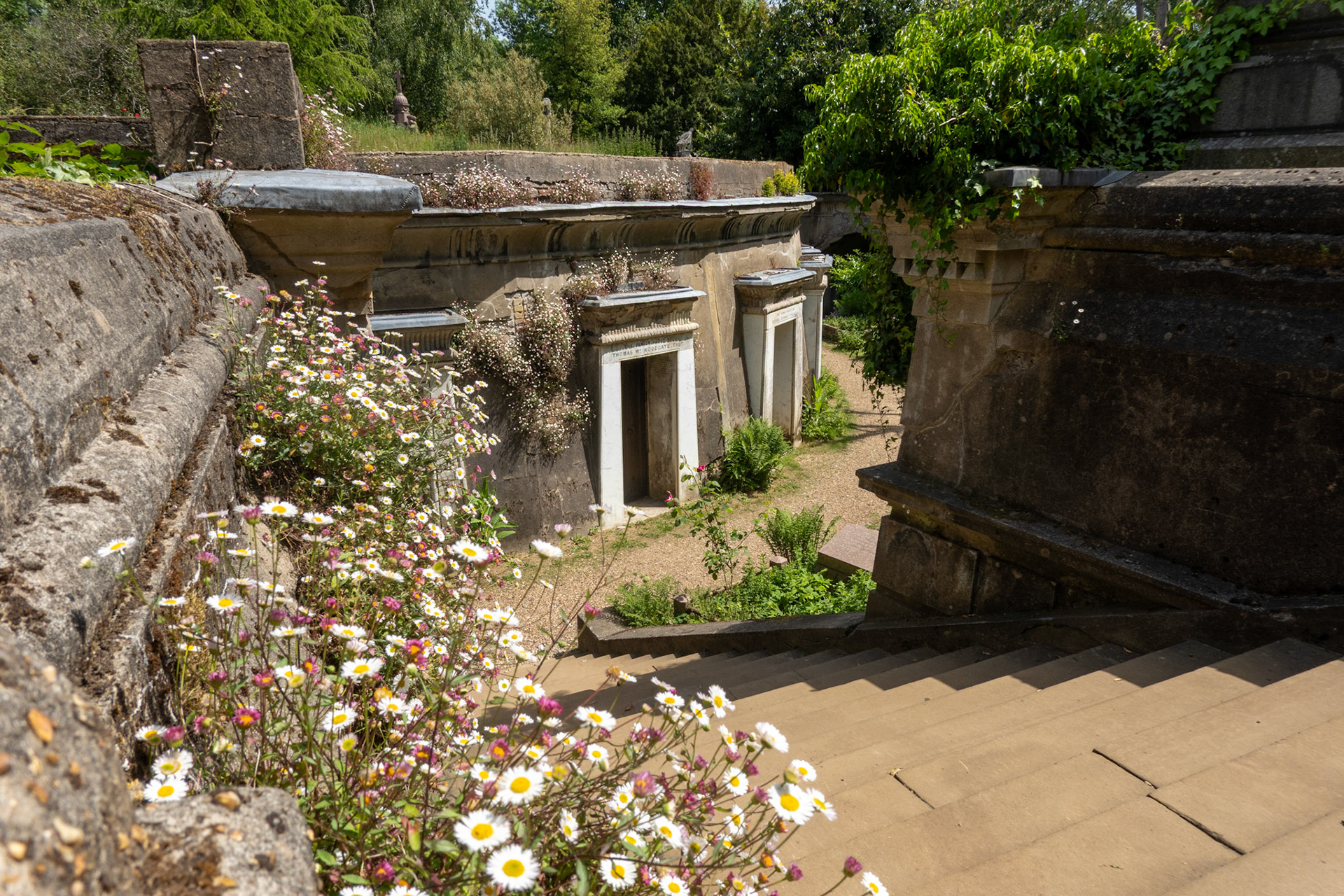
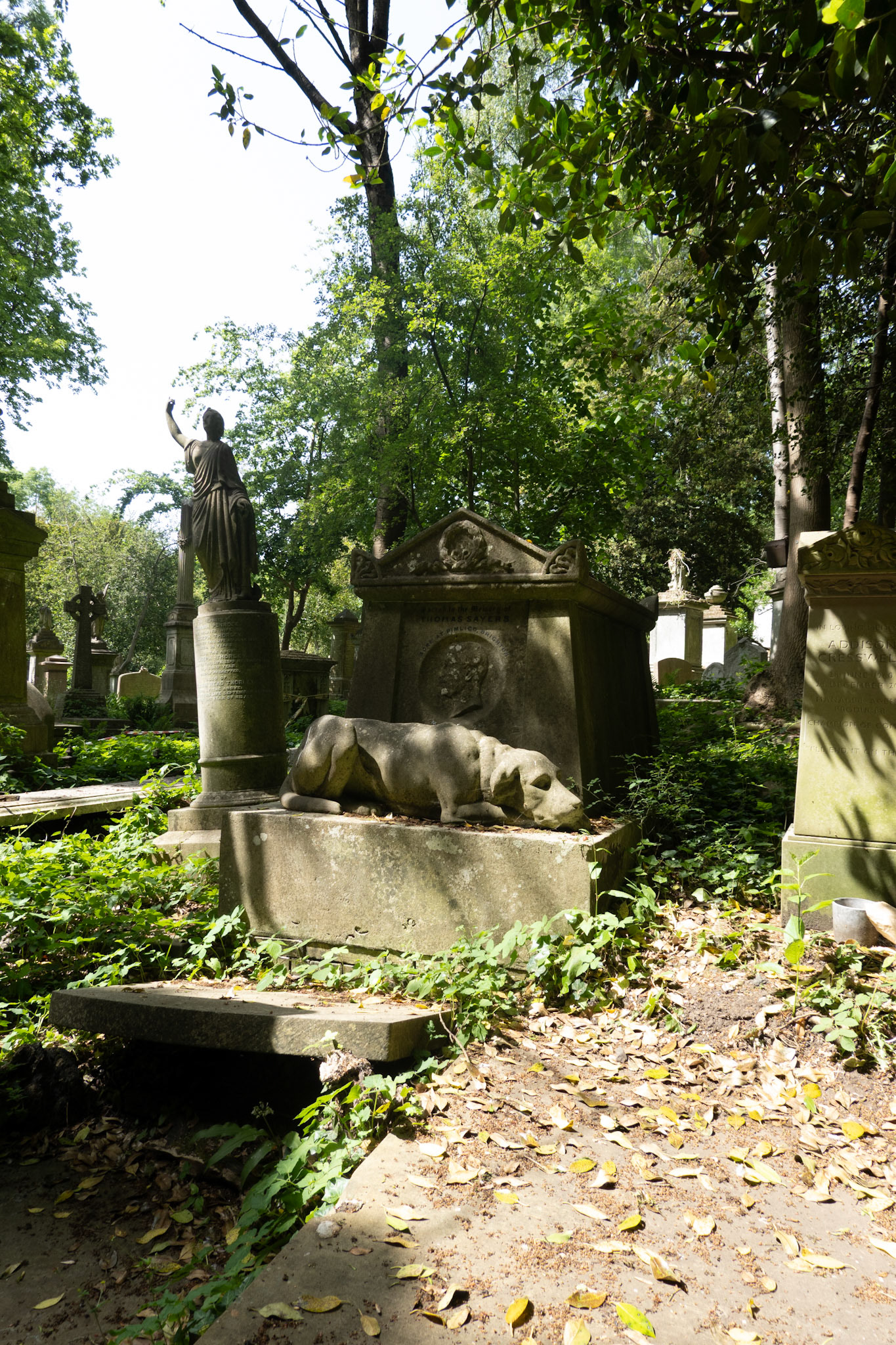
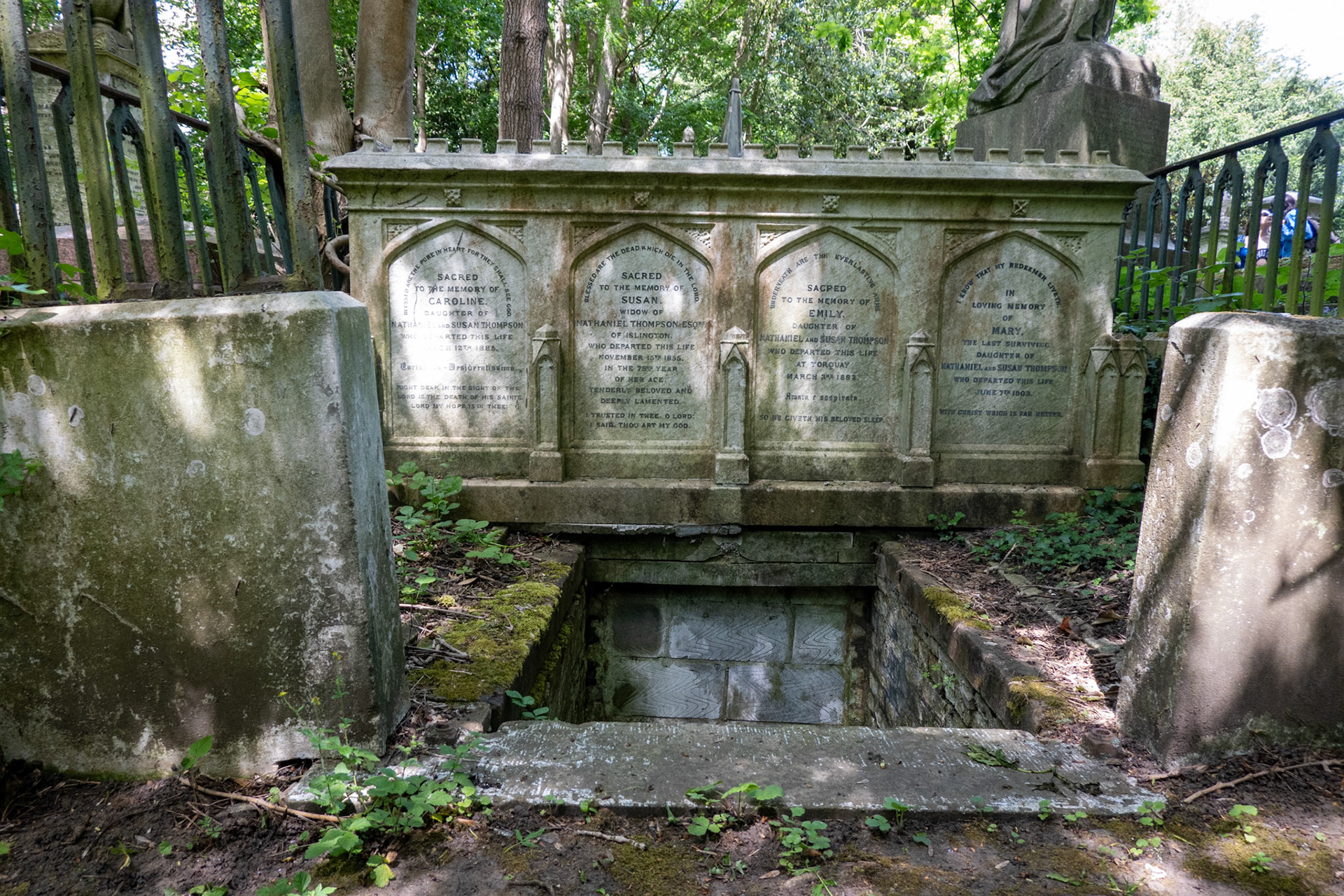
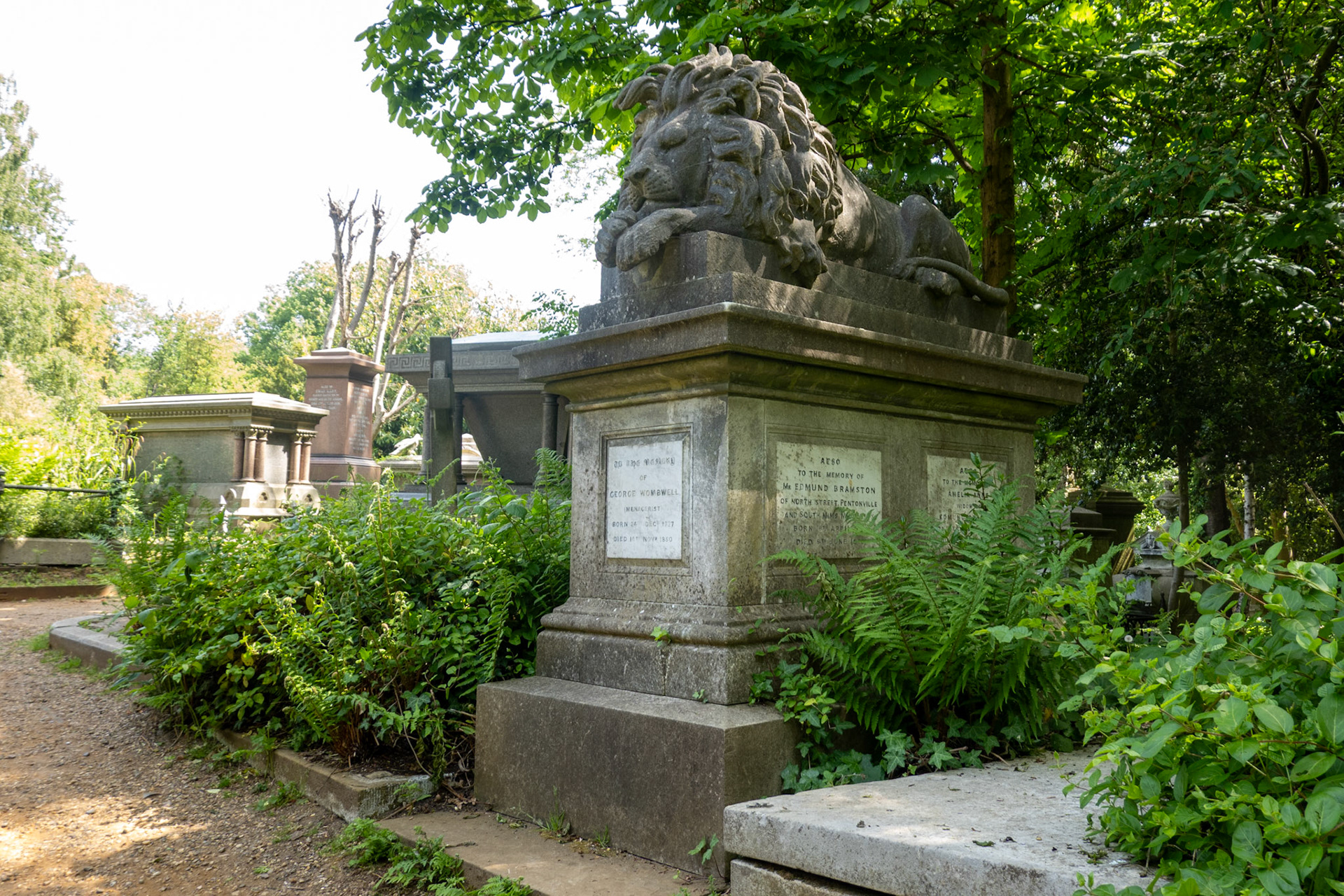
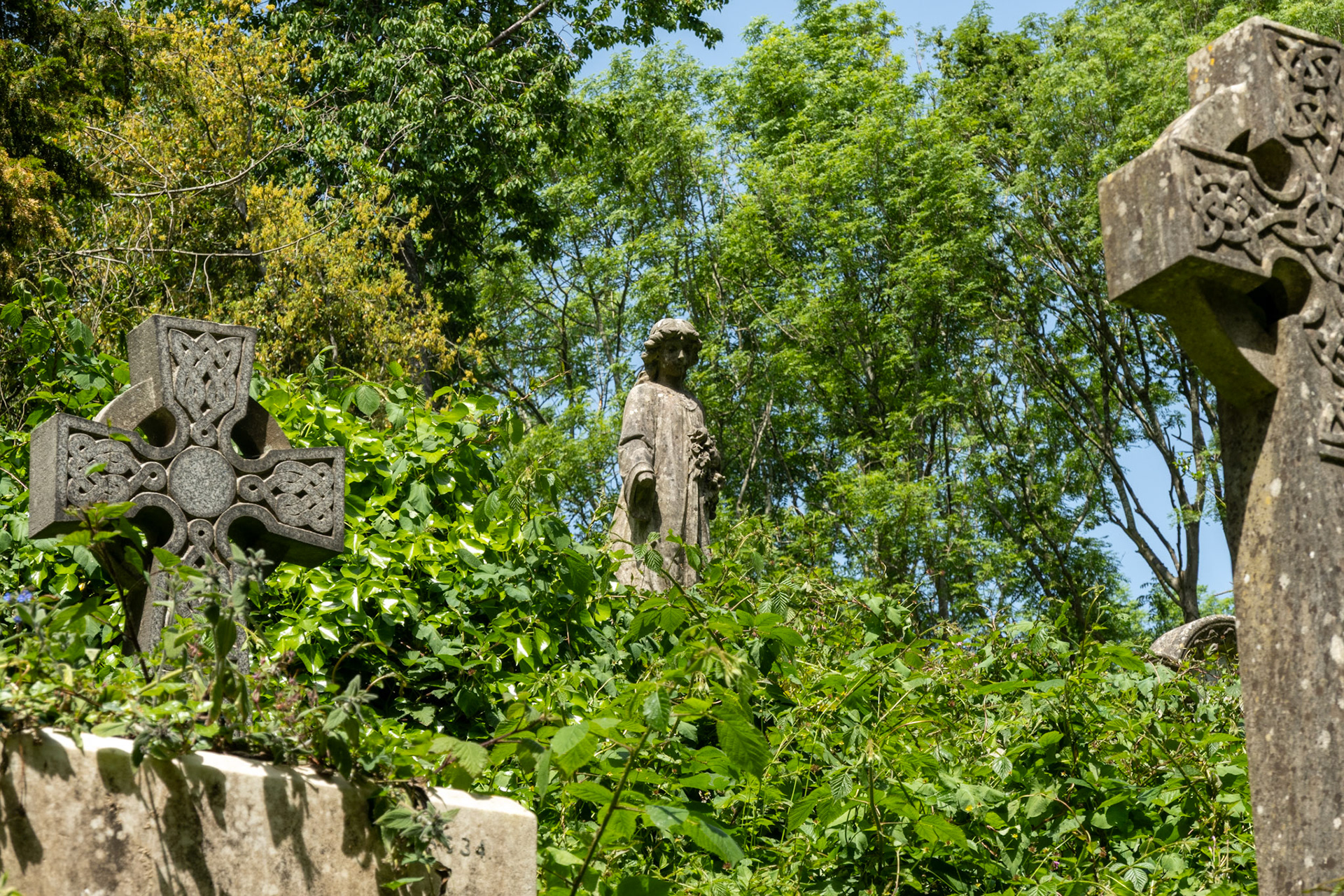
Highgate Cemetery opened in 1839 in north London and is one of the seven major Victorian cemeteries, known as the “Magnificent Seven.”
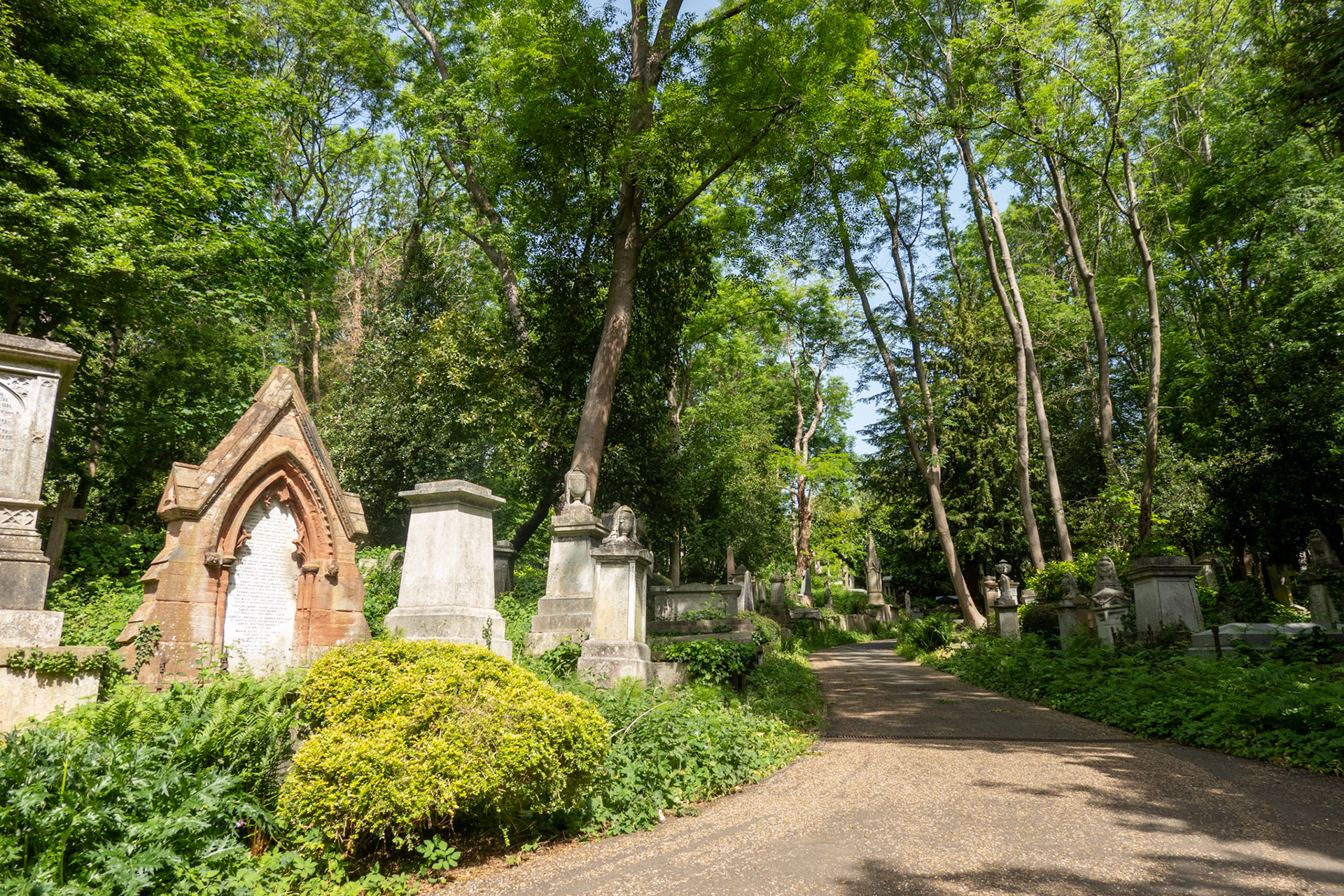
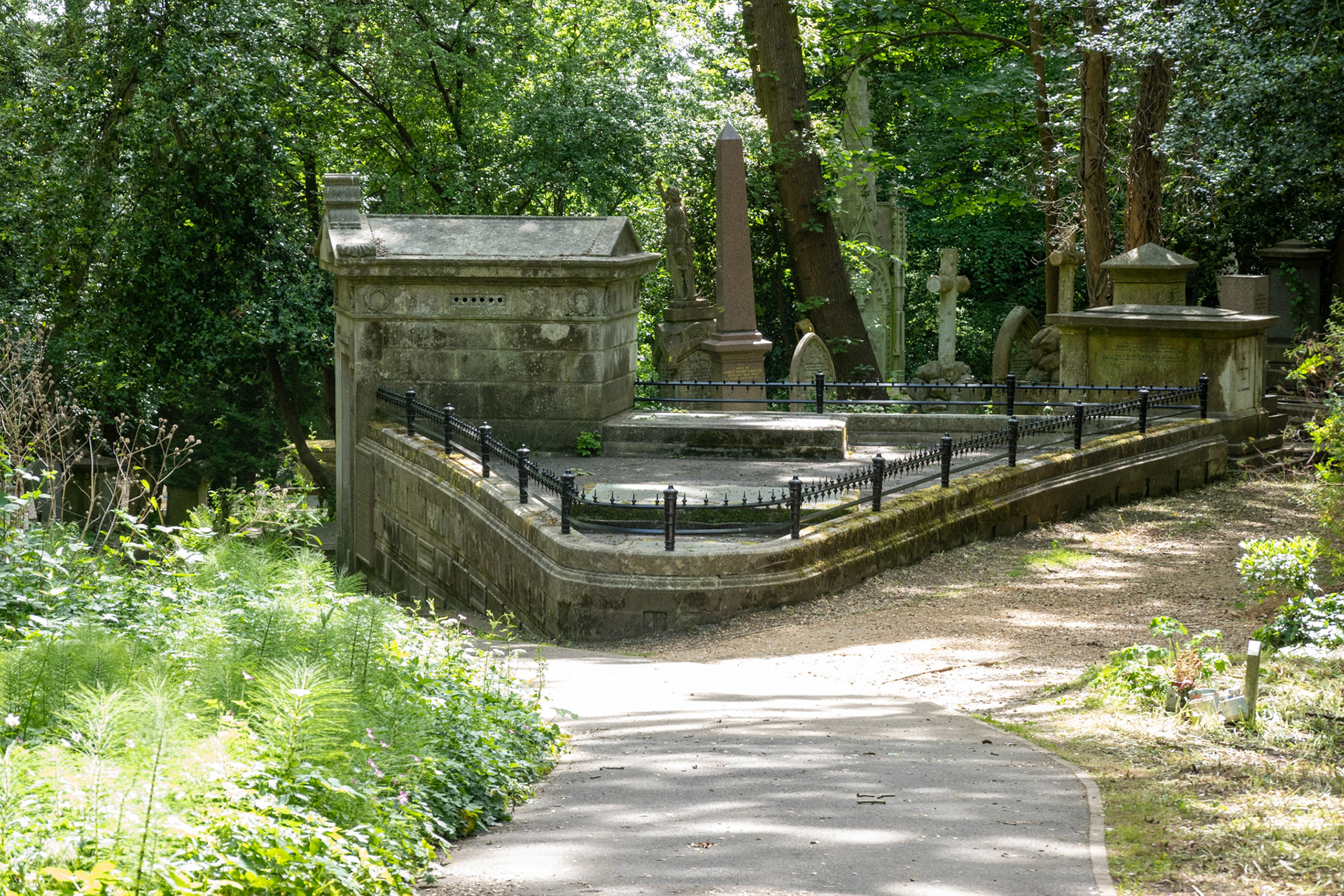
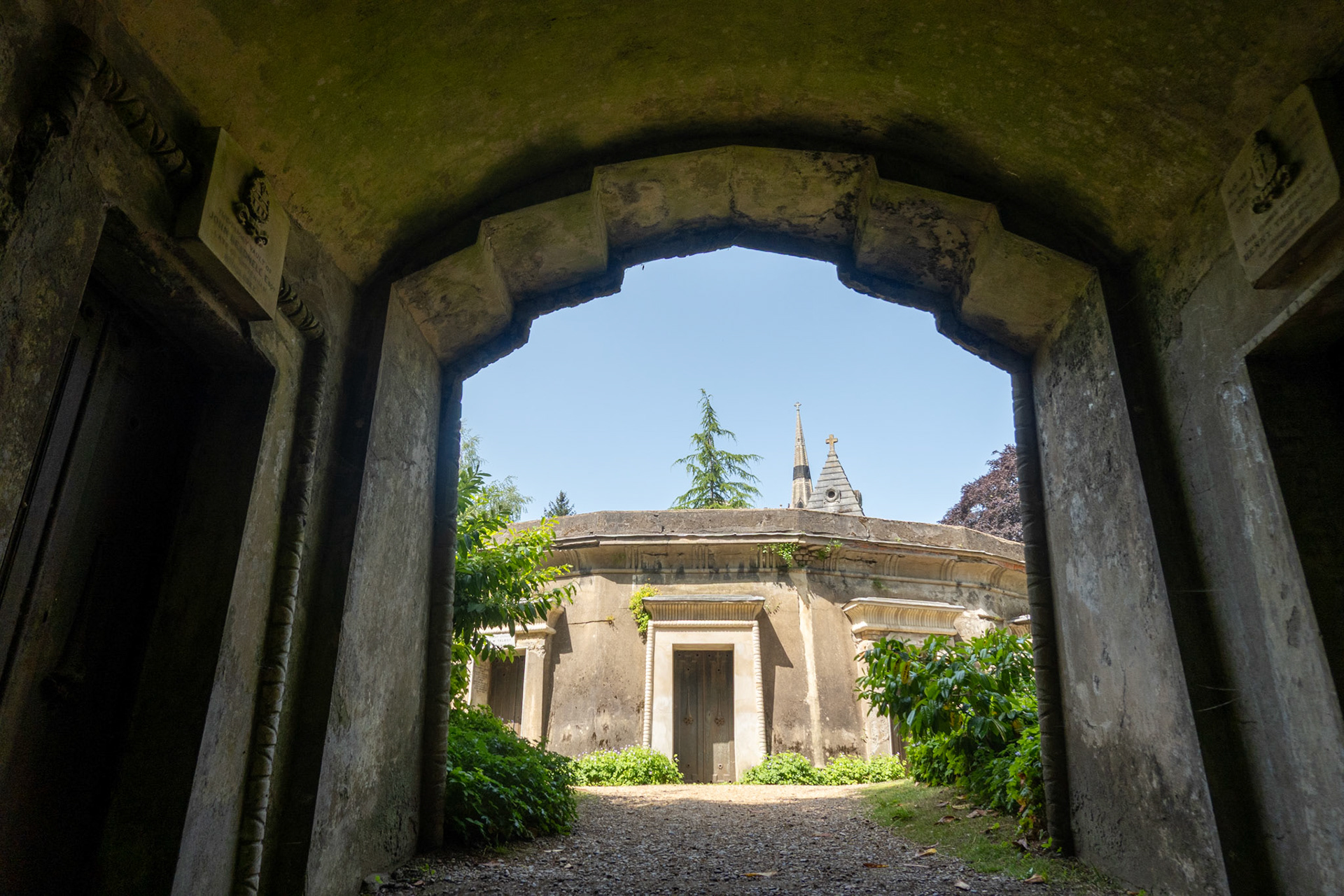
It was established because burial space in London had become insufficient, and was developed by the London Cemetery Company as a prestigious burial ground for wealthy families. The elaborately designed grounds, featuring exotic plantings and monumental tombs, quickly gained popularity. Due to rising burial numbers, a larger eastern section was opened in 1856, connected to the western side by a tunnel.
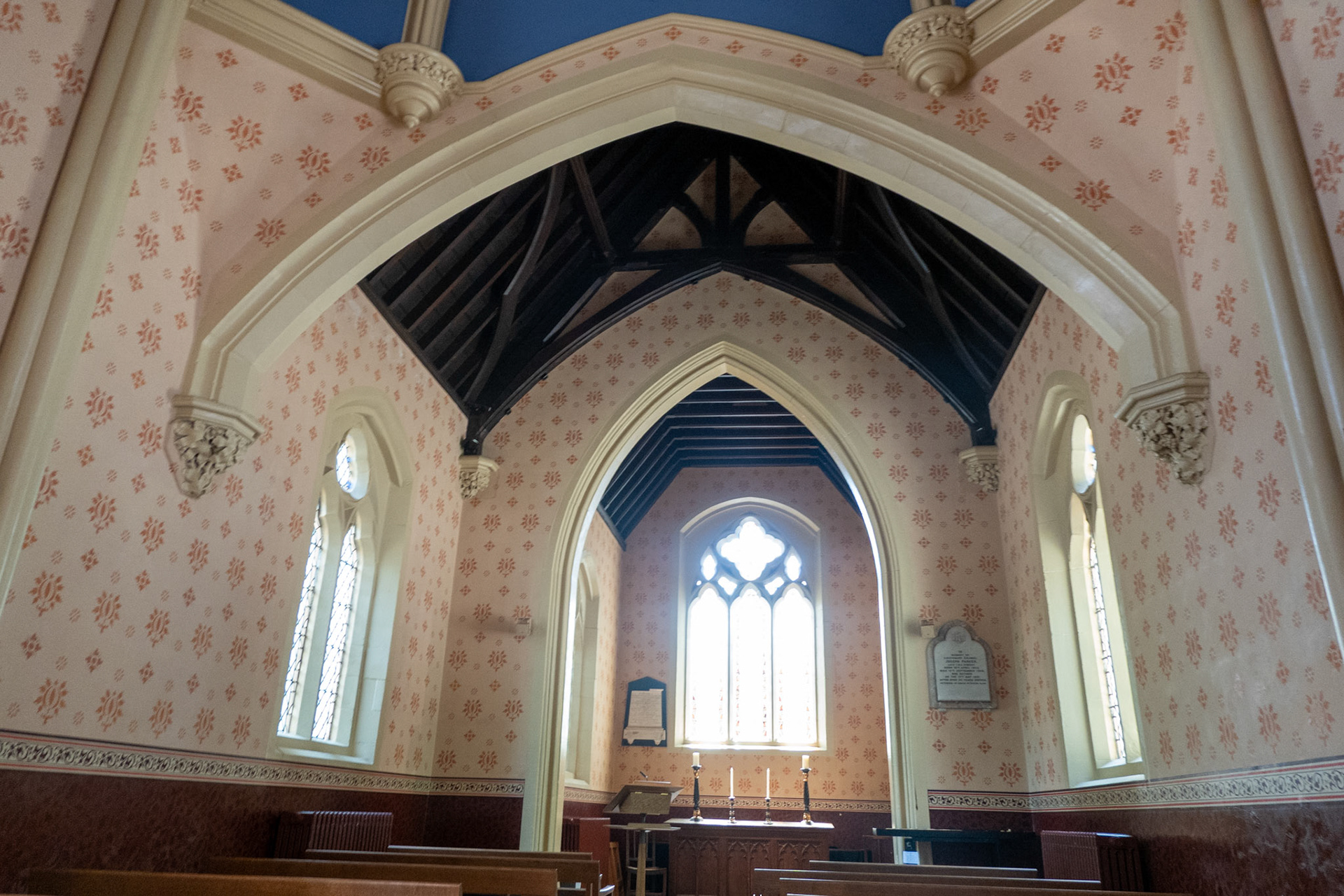
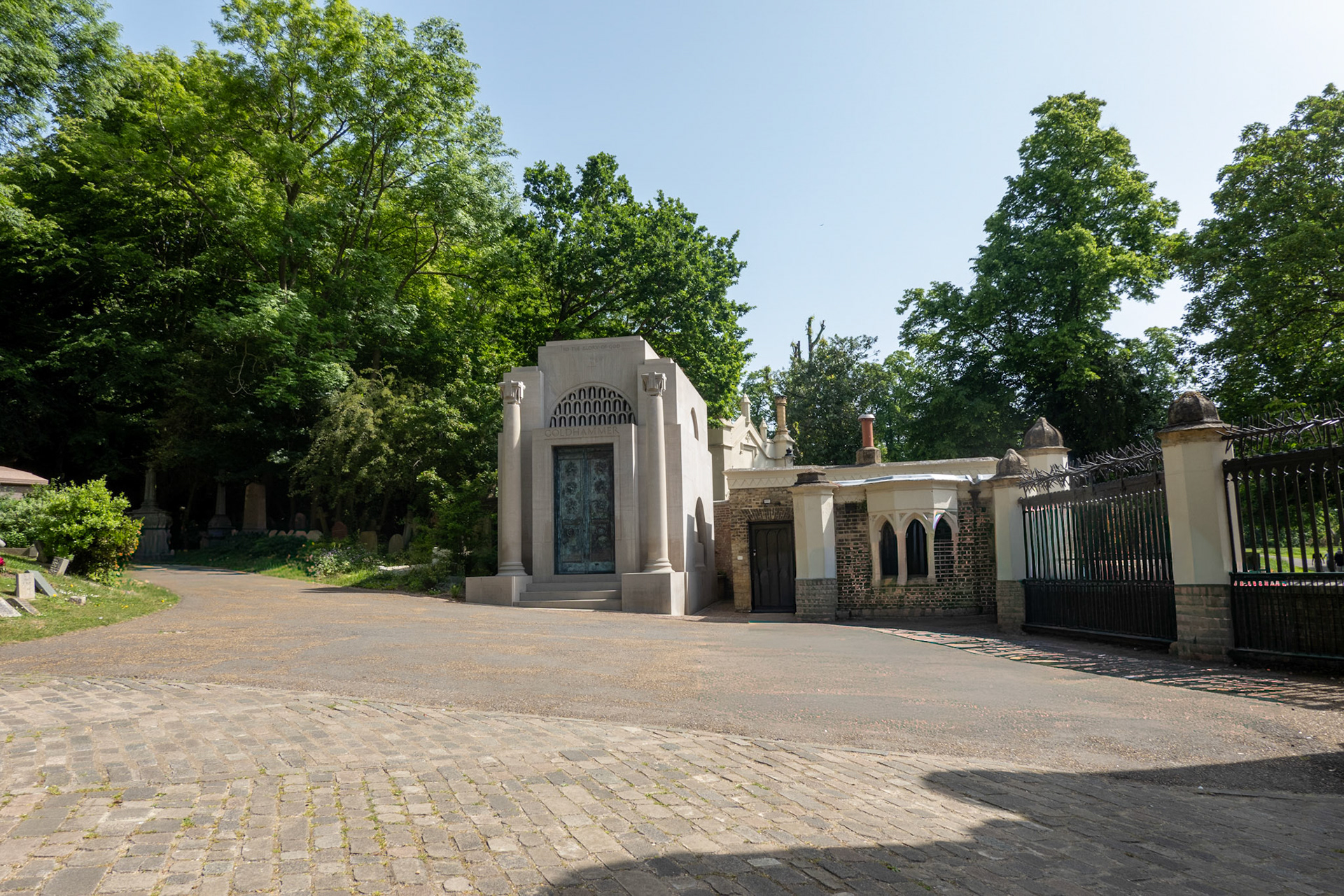
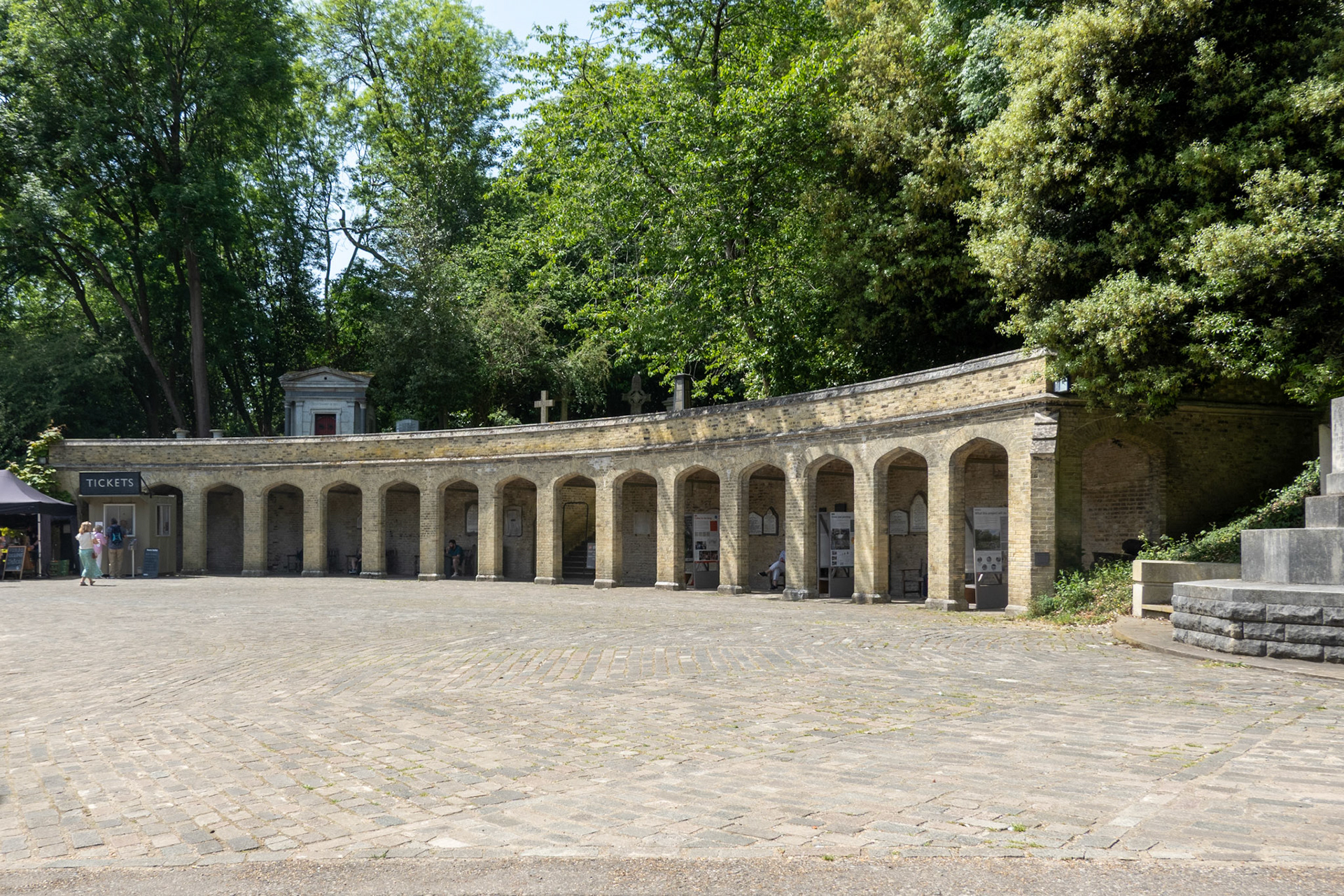
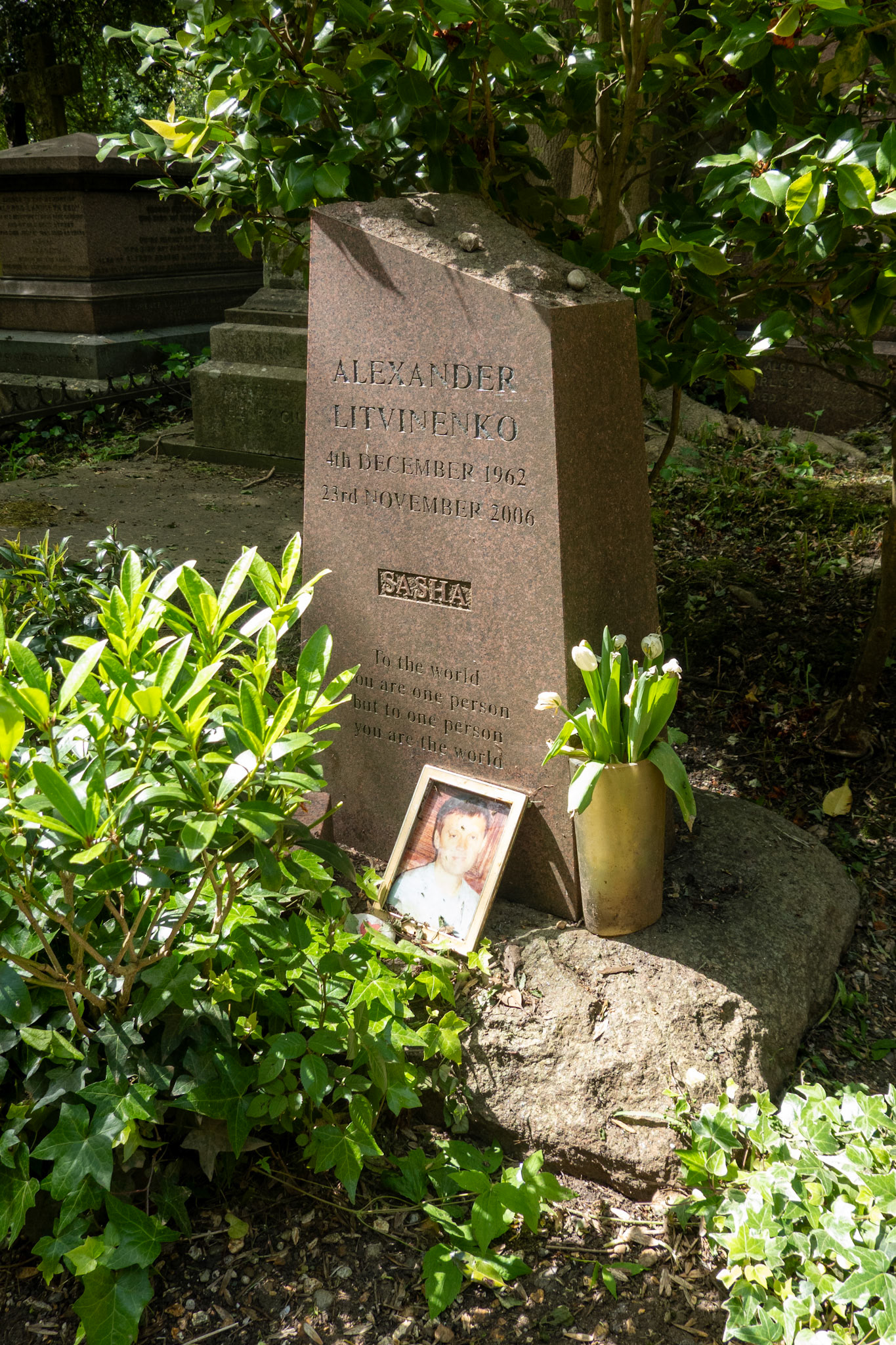
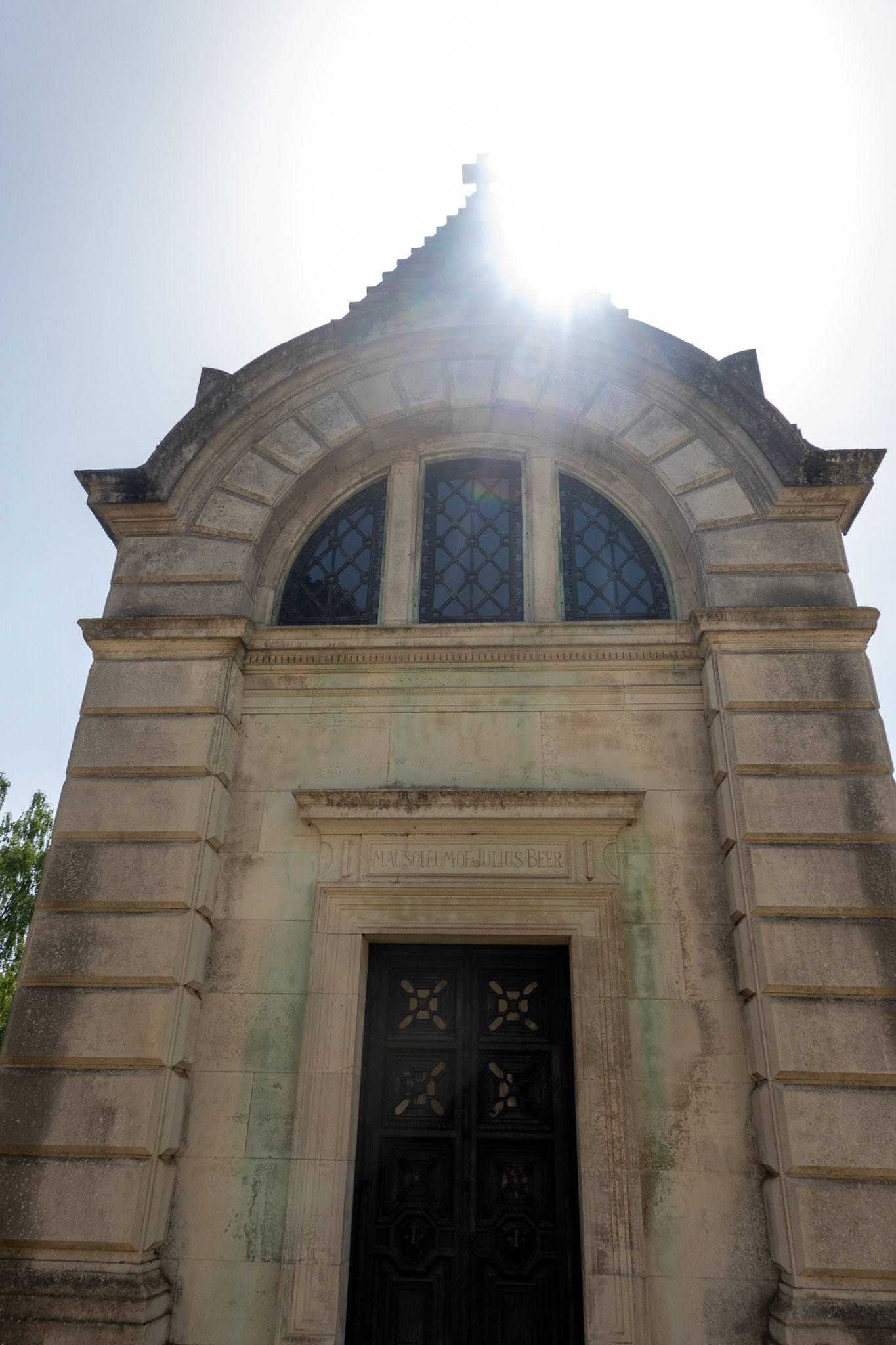
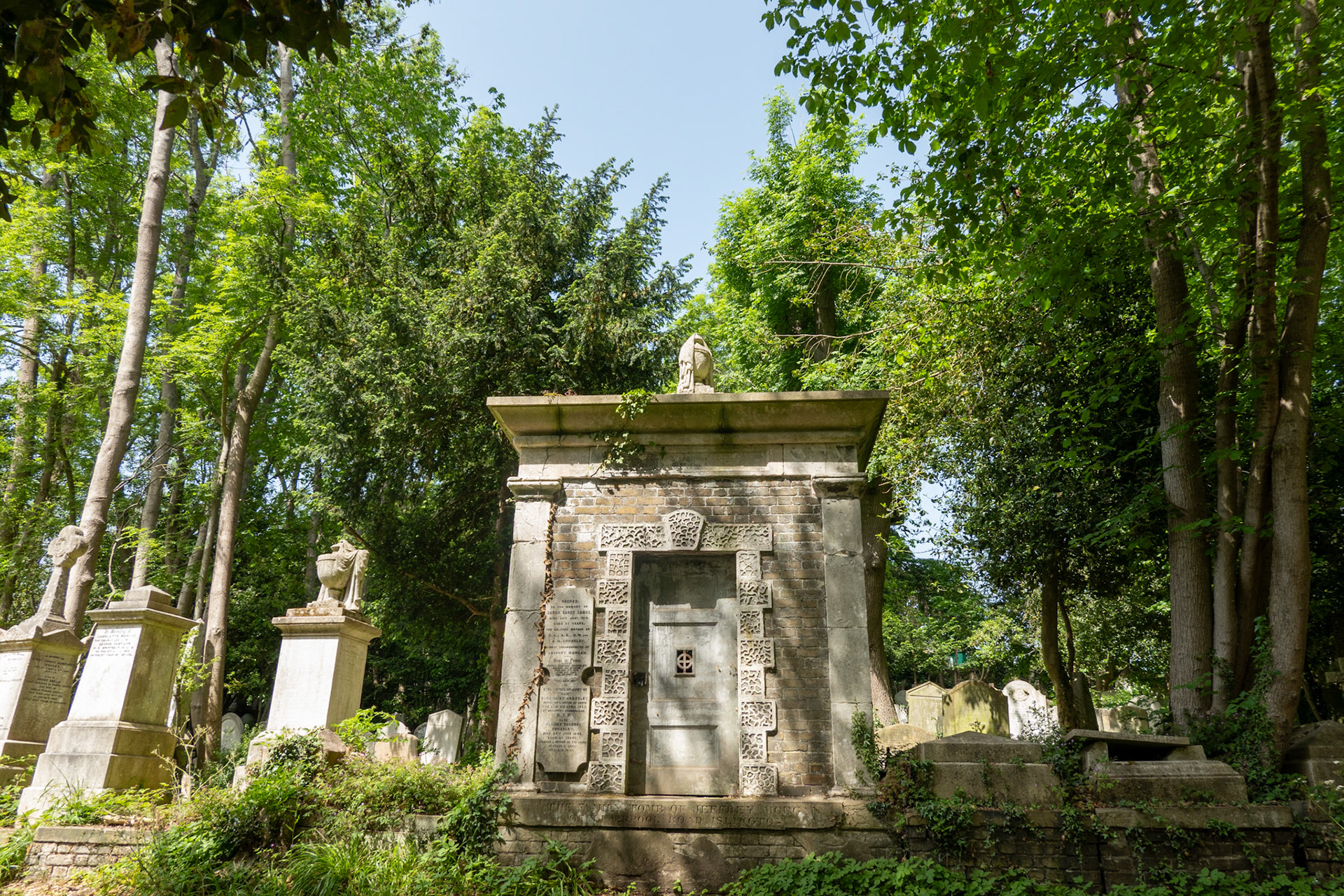
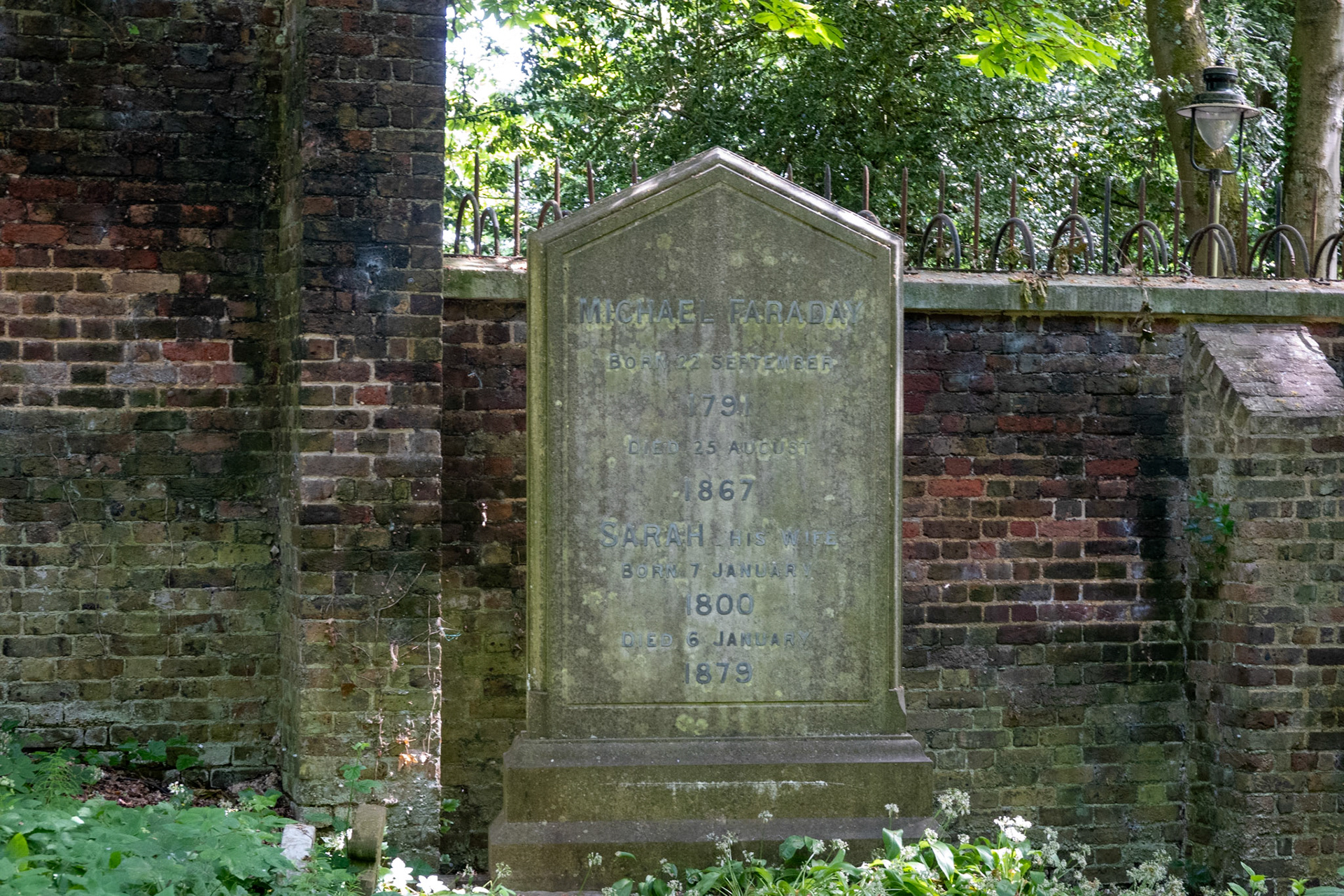
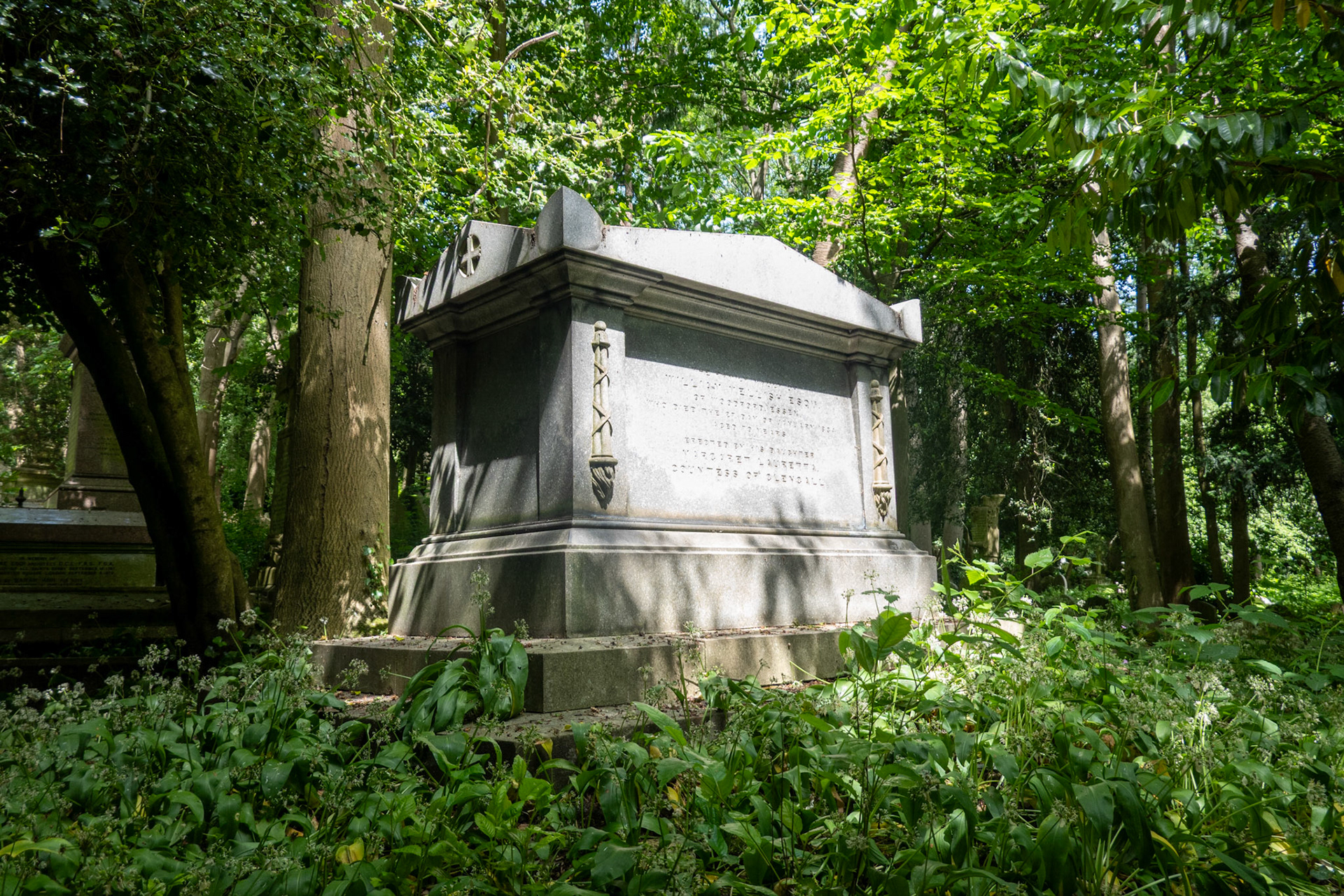
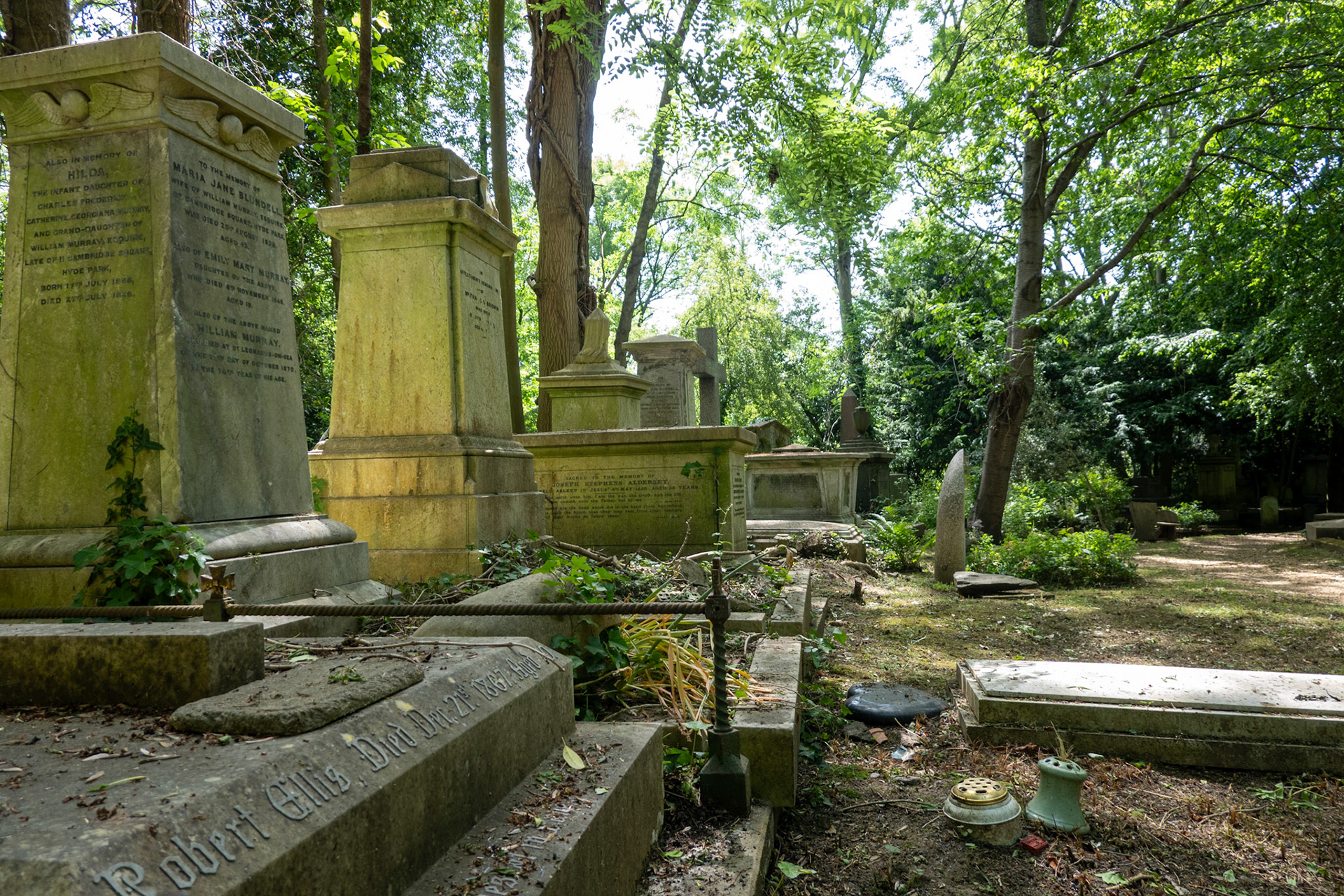
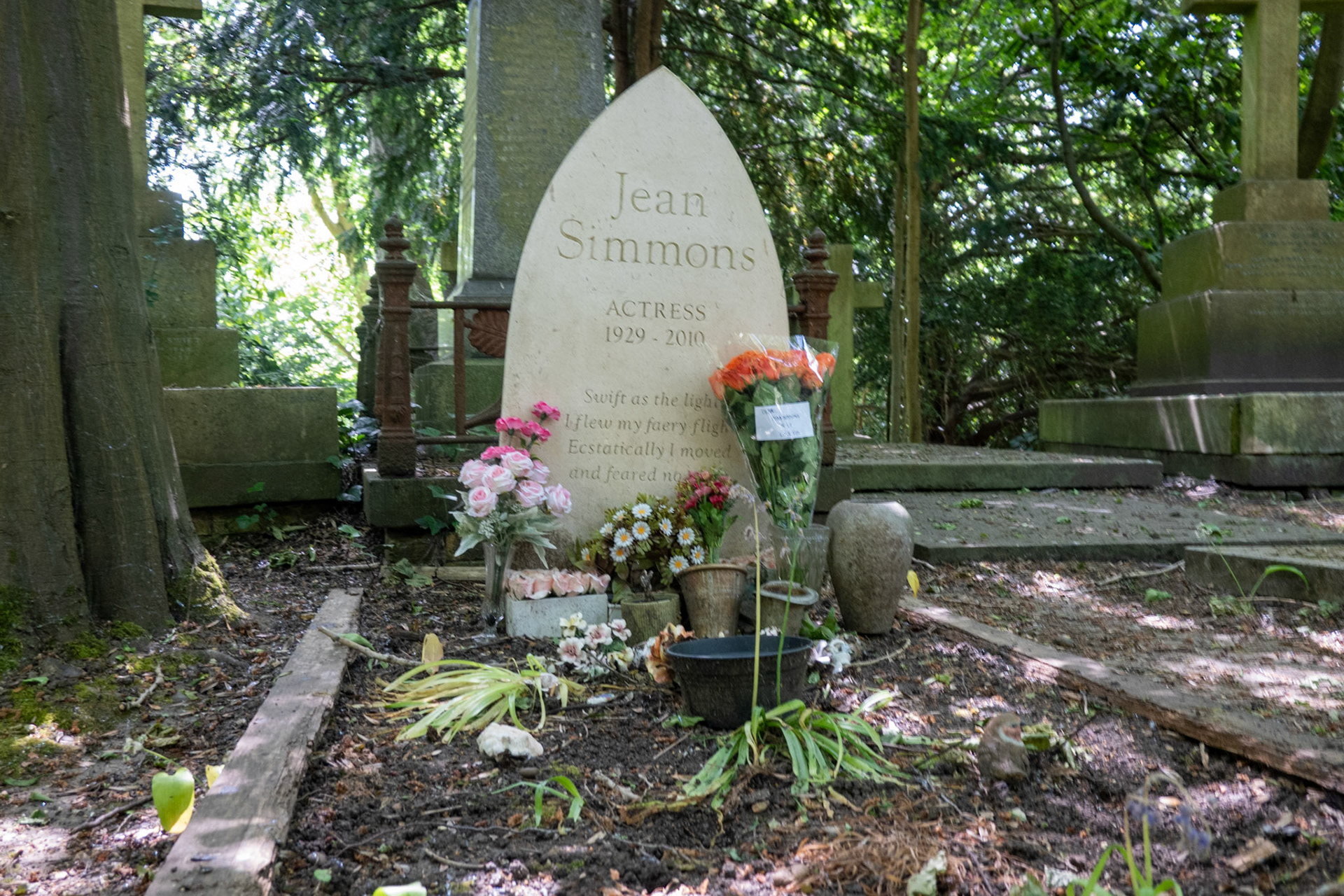
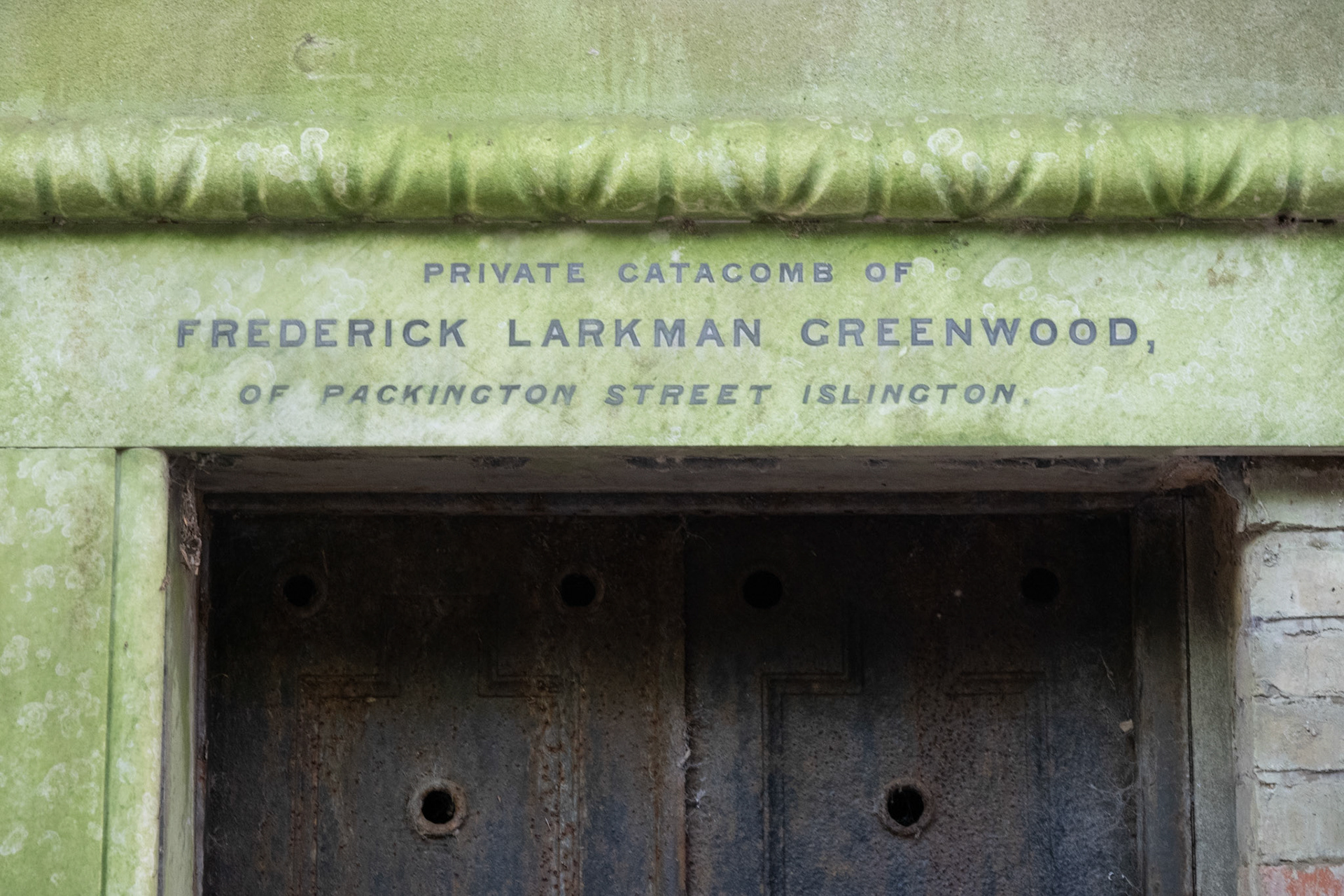
In the 20th century, changing burial customs, declining revenue, and the decrease in large family graves led to the cemetery’s economic decline. After the operating company went bankrupt, the cemetery was closed and fell into increasing disrepair. It was not until the late 1970s that the “Friends of Highgate Cemetery” saved the cemetery from destruction and eventually took over both sections. Today, the East Cemetery is open to the public, while the West Cemetery can only be visited as part of guided tours; admission fees are used to maintain the grounds. Highgate Cemetery is once again used for burials, though under specific conditions. The cemetery is particularly well-known for its neo-Gothic architecture, its historic mausoleums and catacombs, and as the final resting place of numerous prominent figures, such as George Michael and Michael Farraday.
A guided tour is definitely worth it, as they share many great stories—a few of which I’ll recount here. Furthermore, Bram Stoker was inspired to write *Dracula* here, and films such as *Fantastic Beasts: The Crimes of Grindelwald*, *The Body Snatcher*, *Taste the Blood of Dracula*, *Frenzy*, and many more were filmed here.