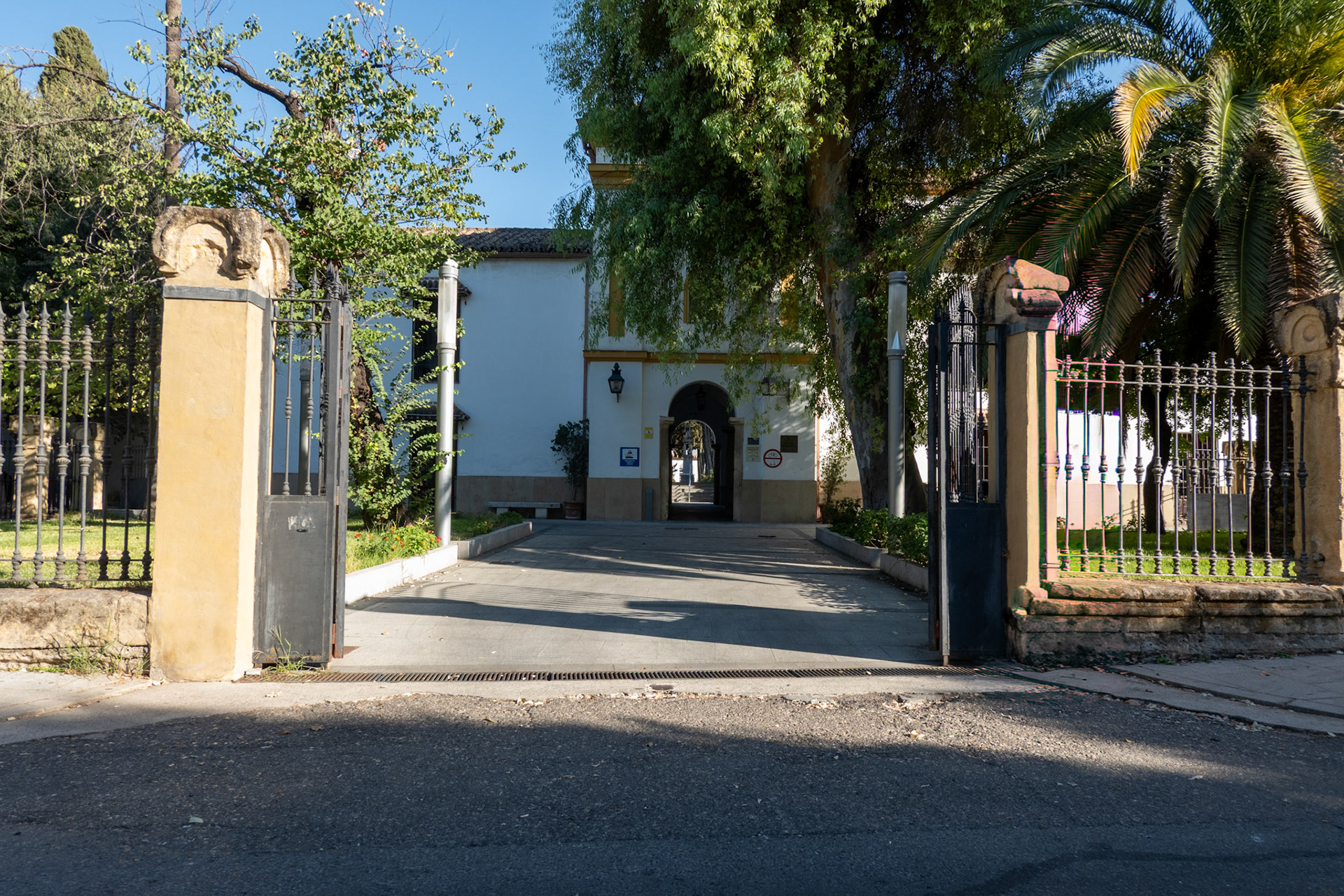
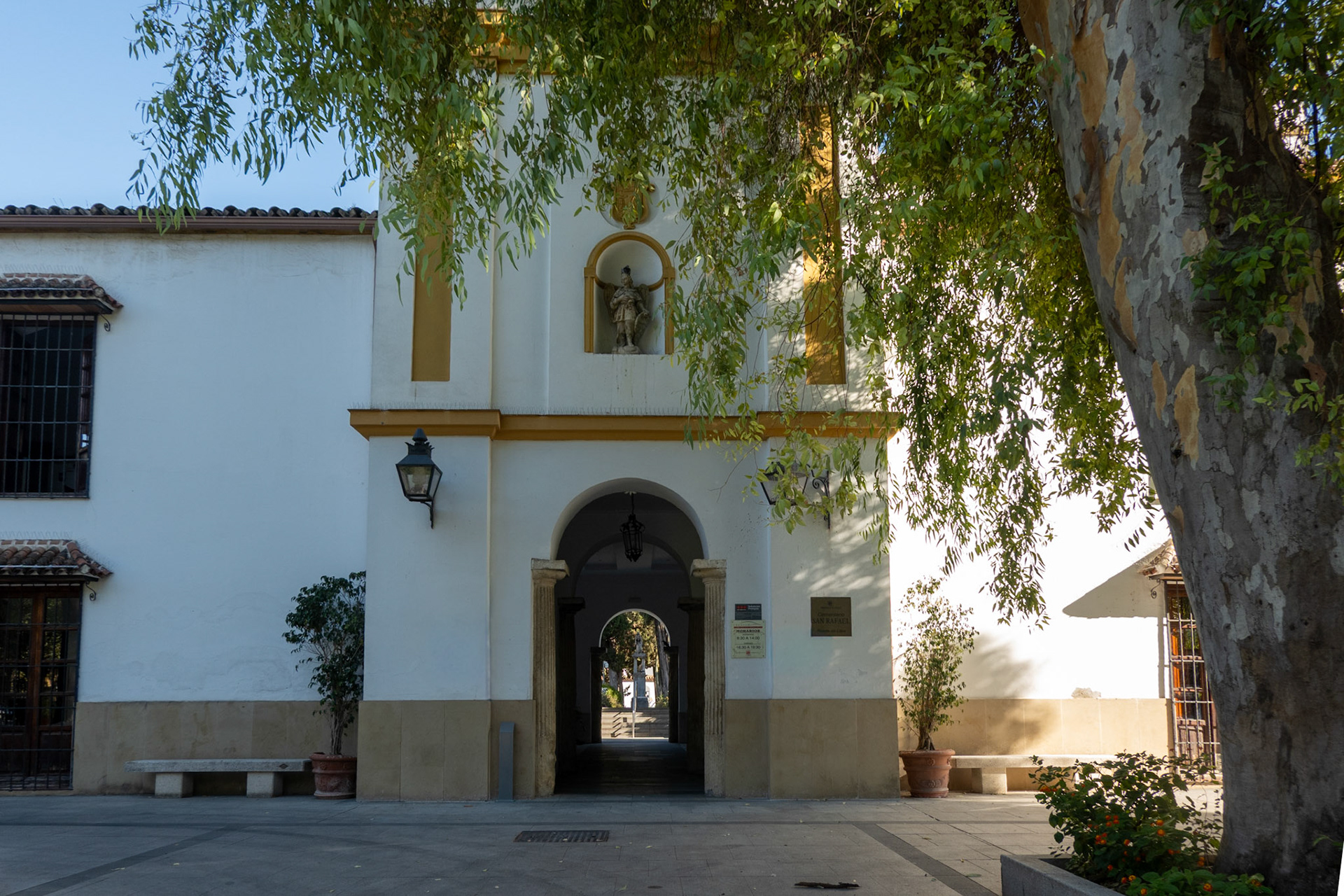
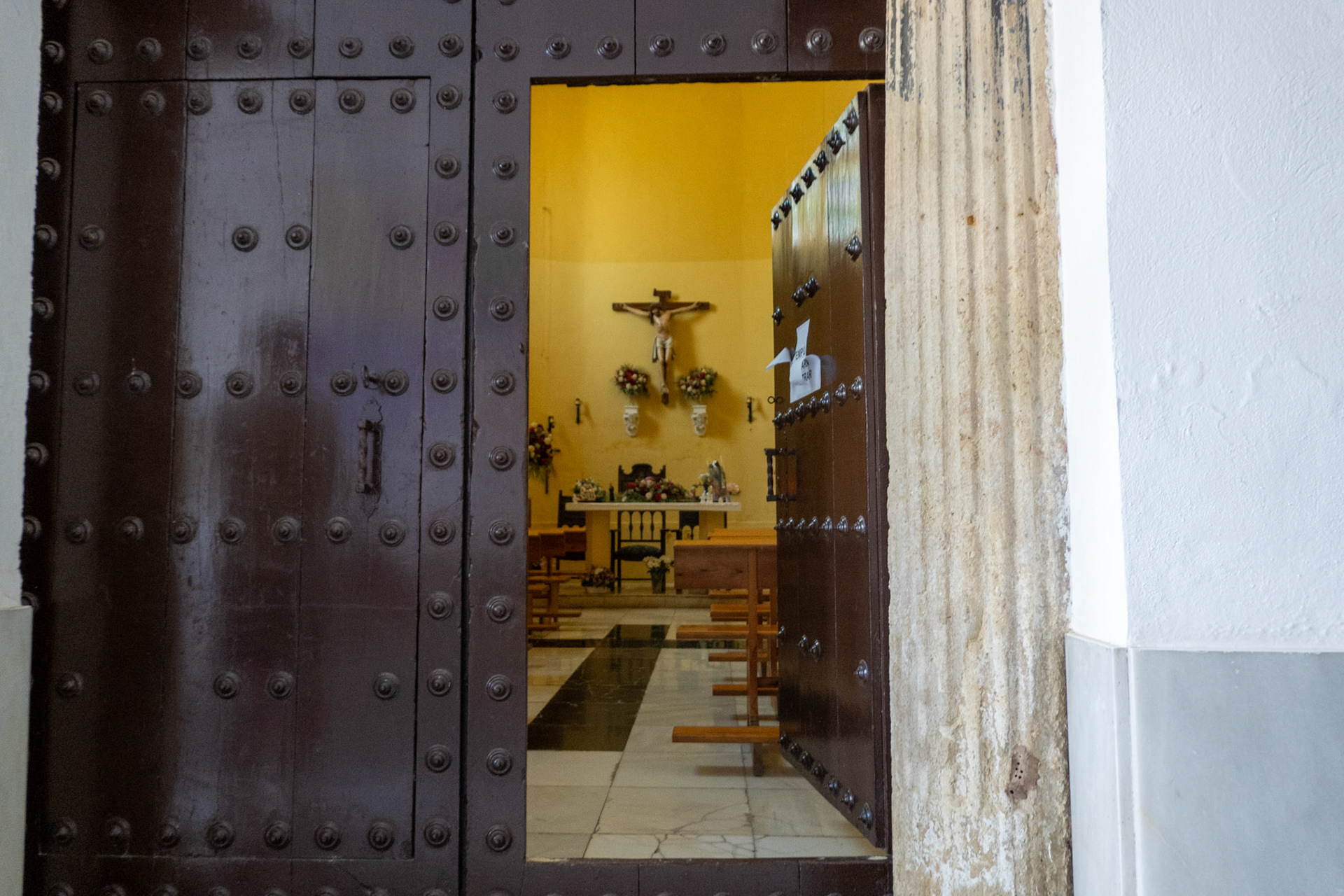
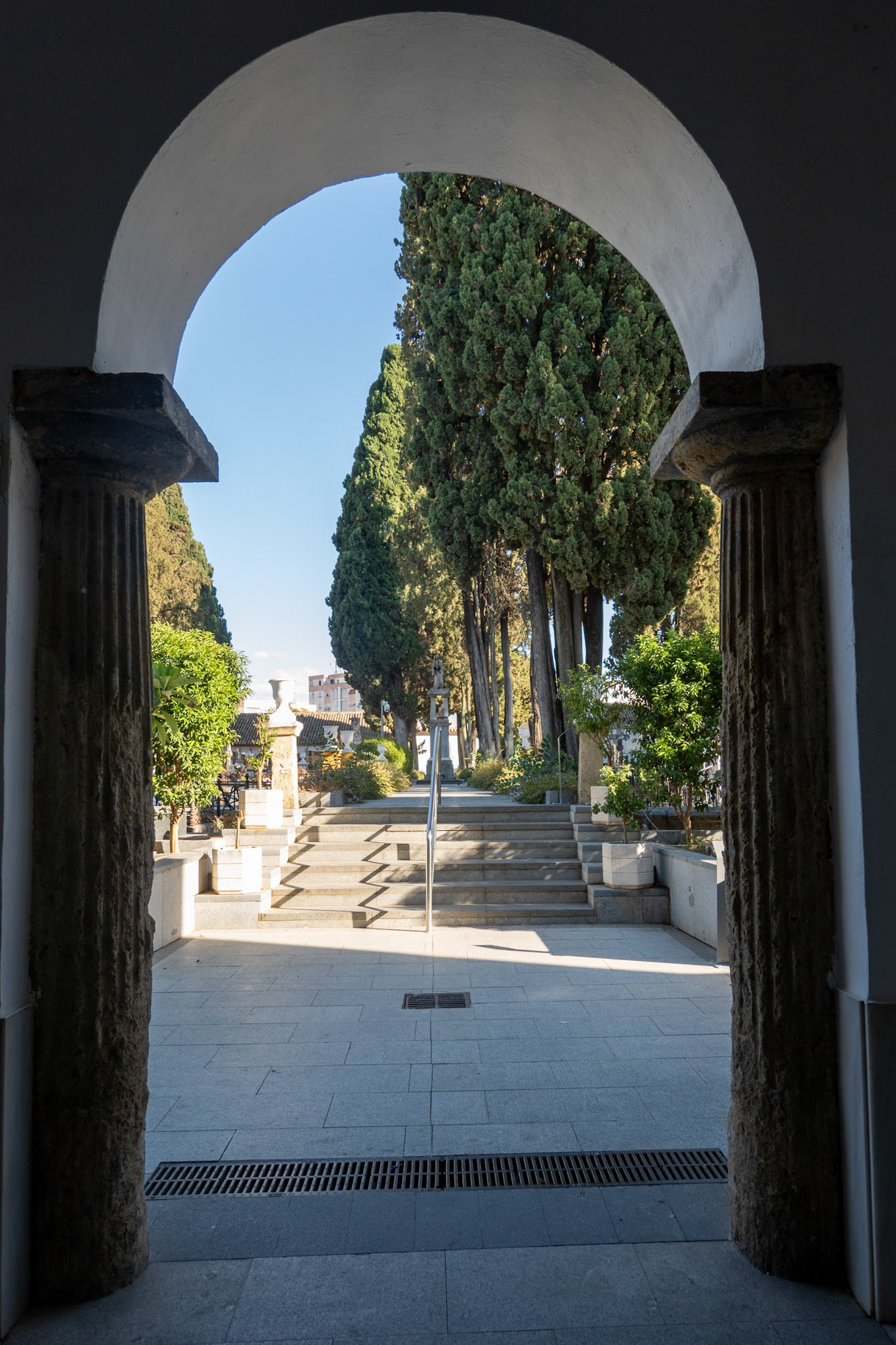
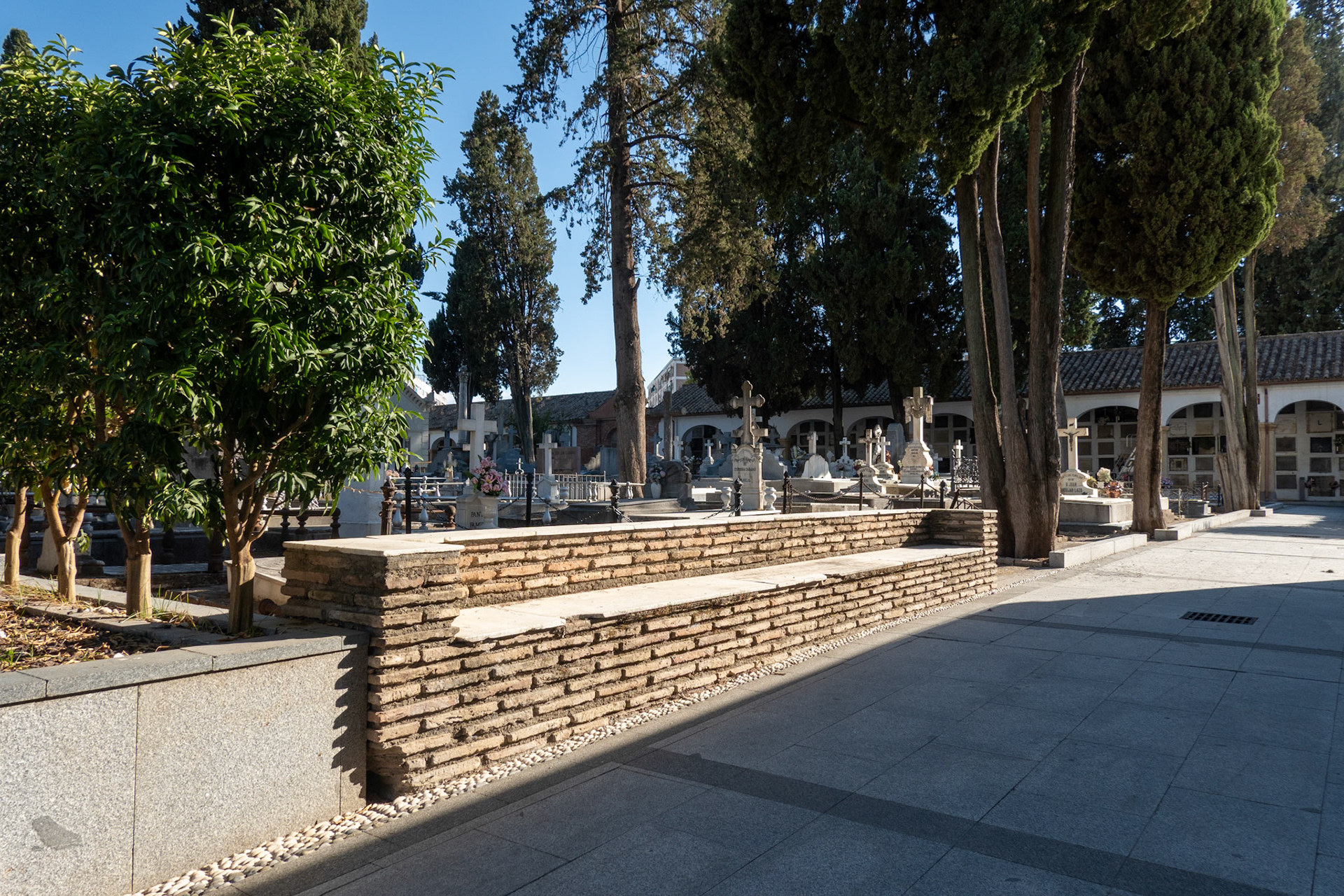
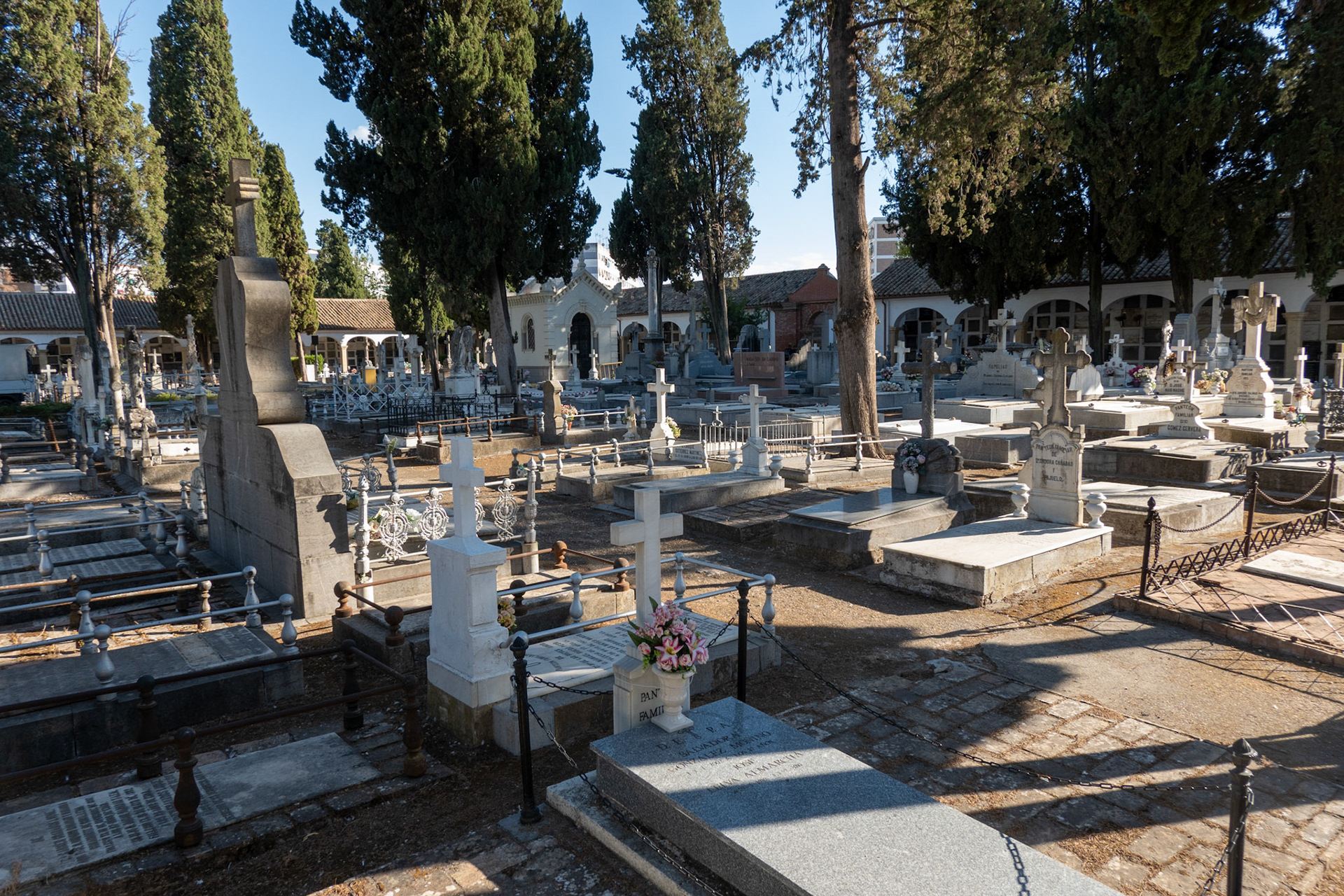
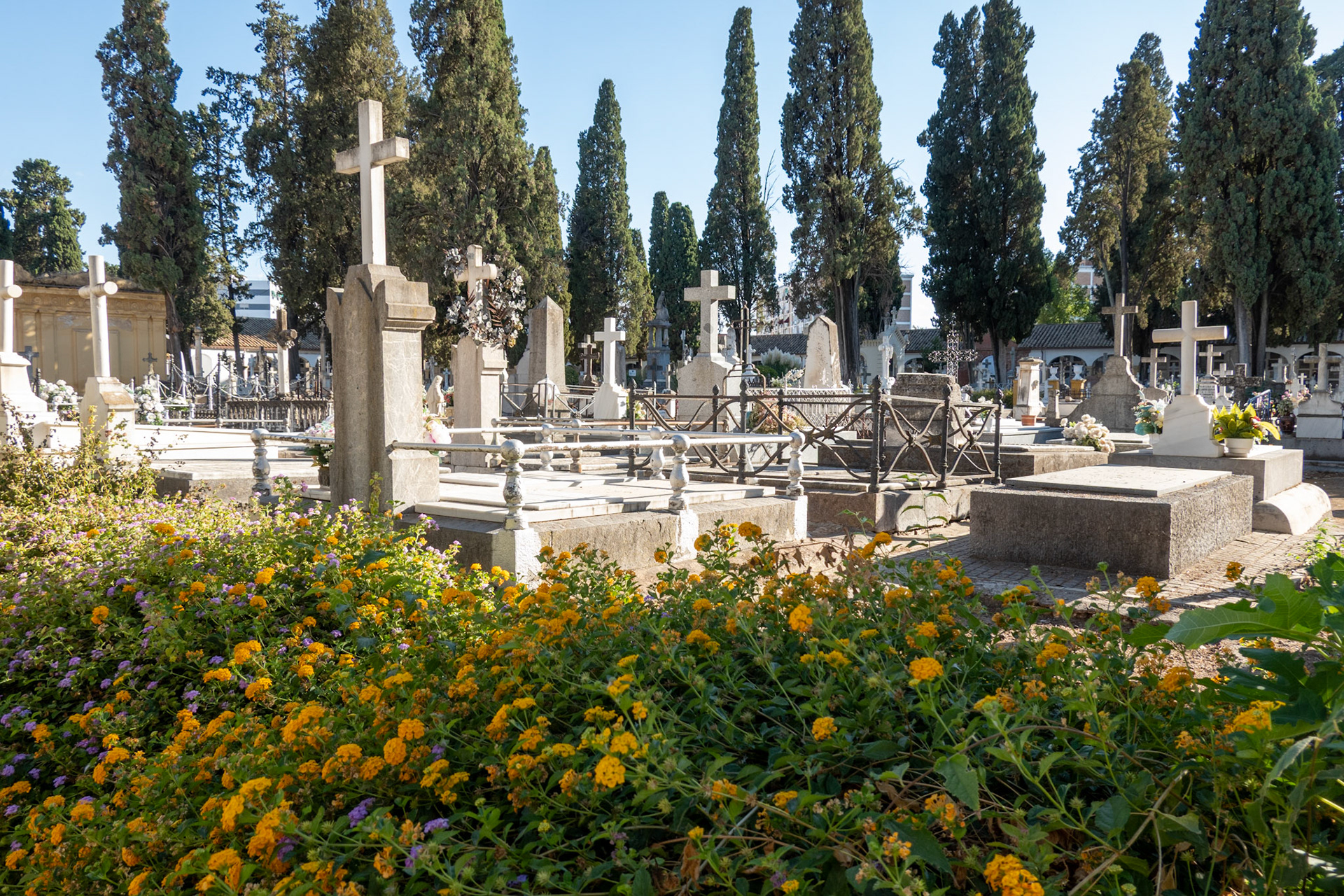
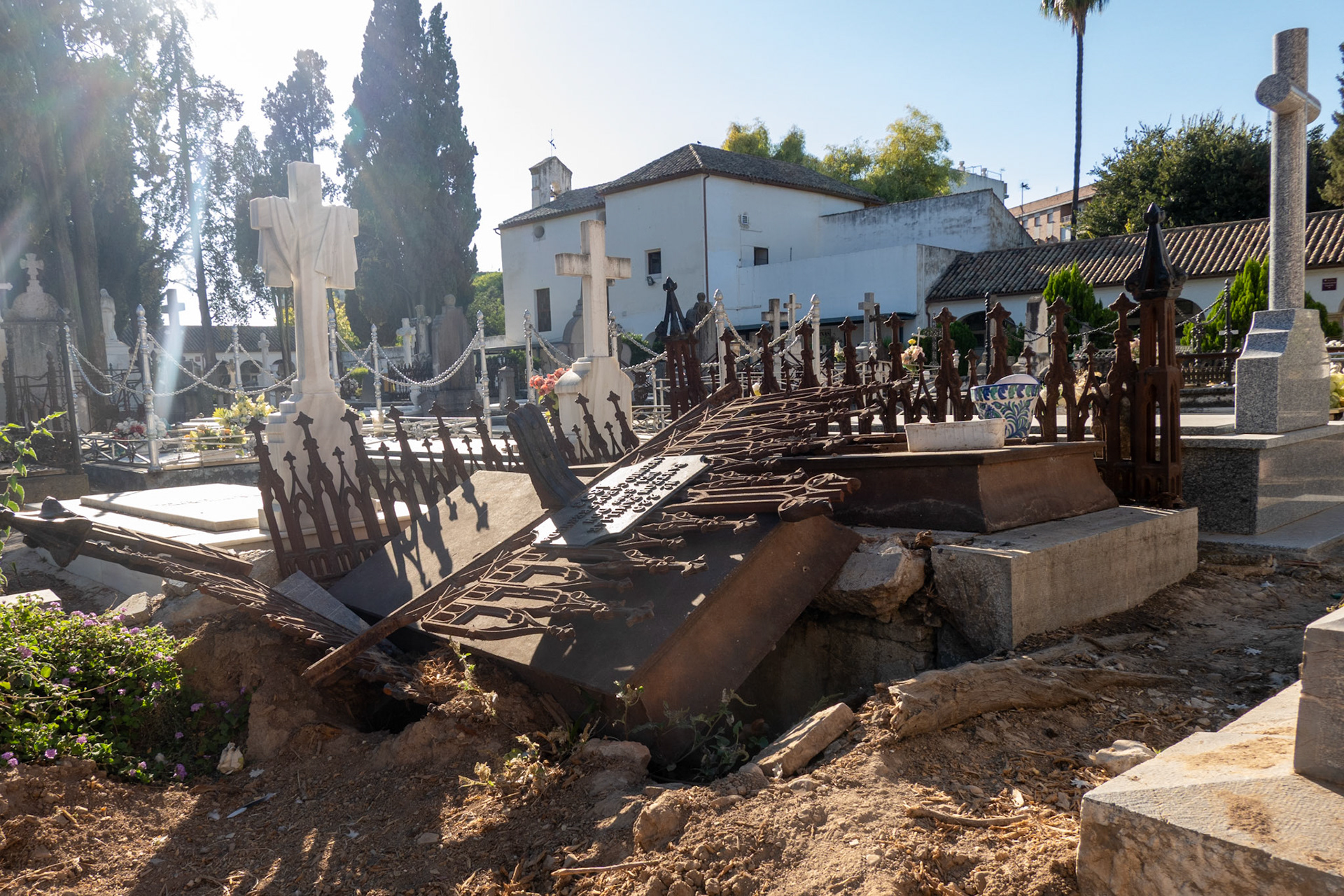
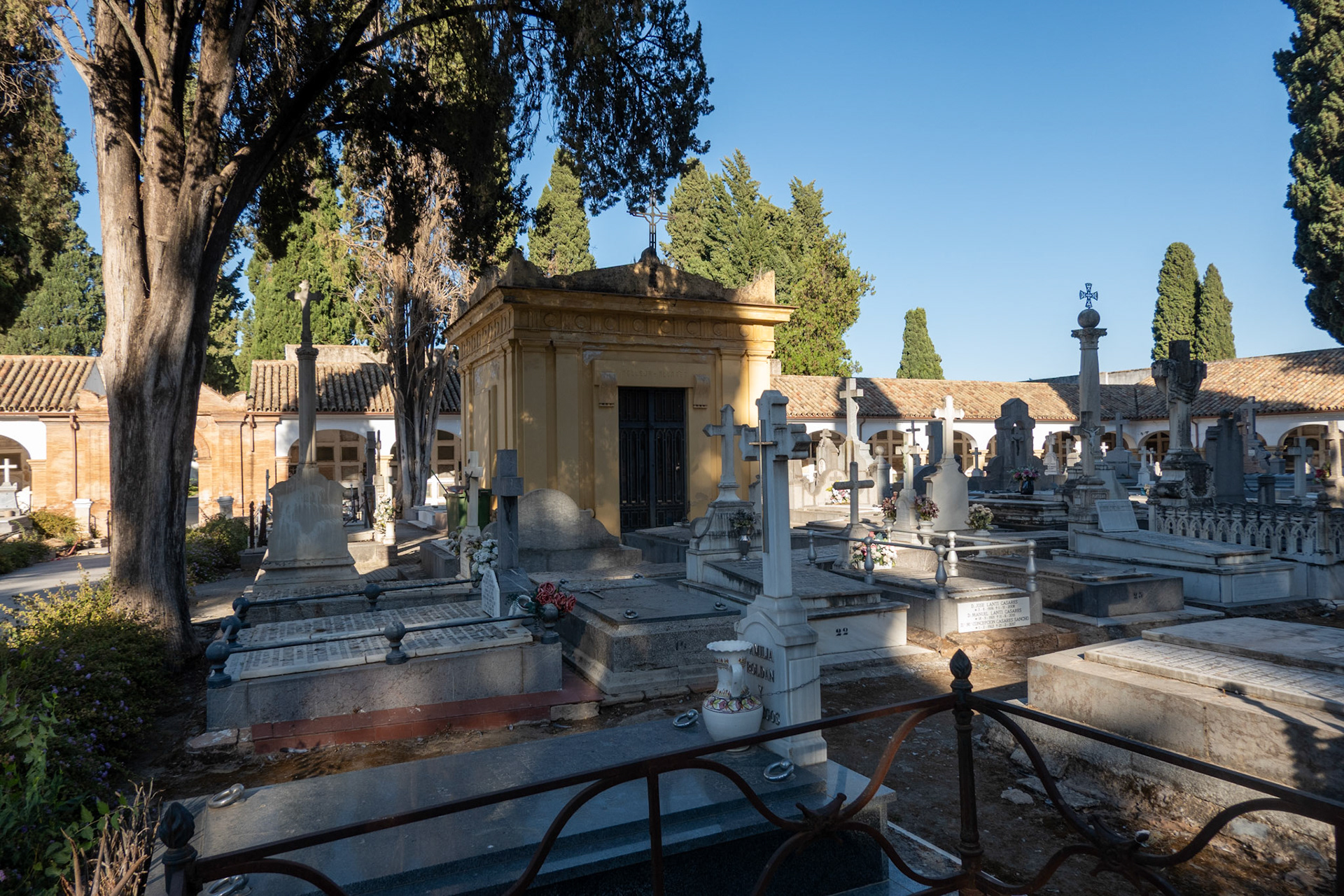
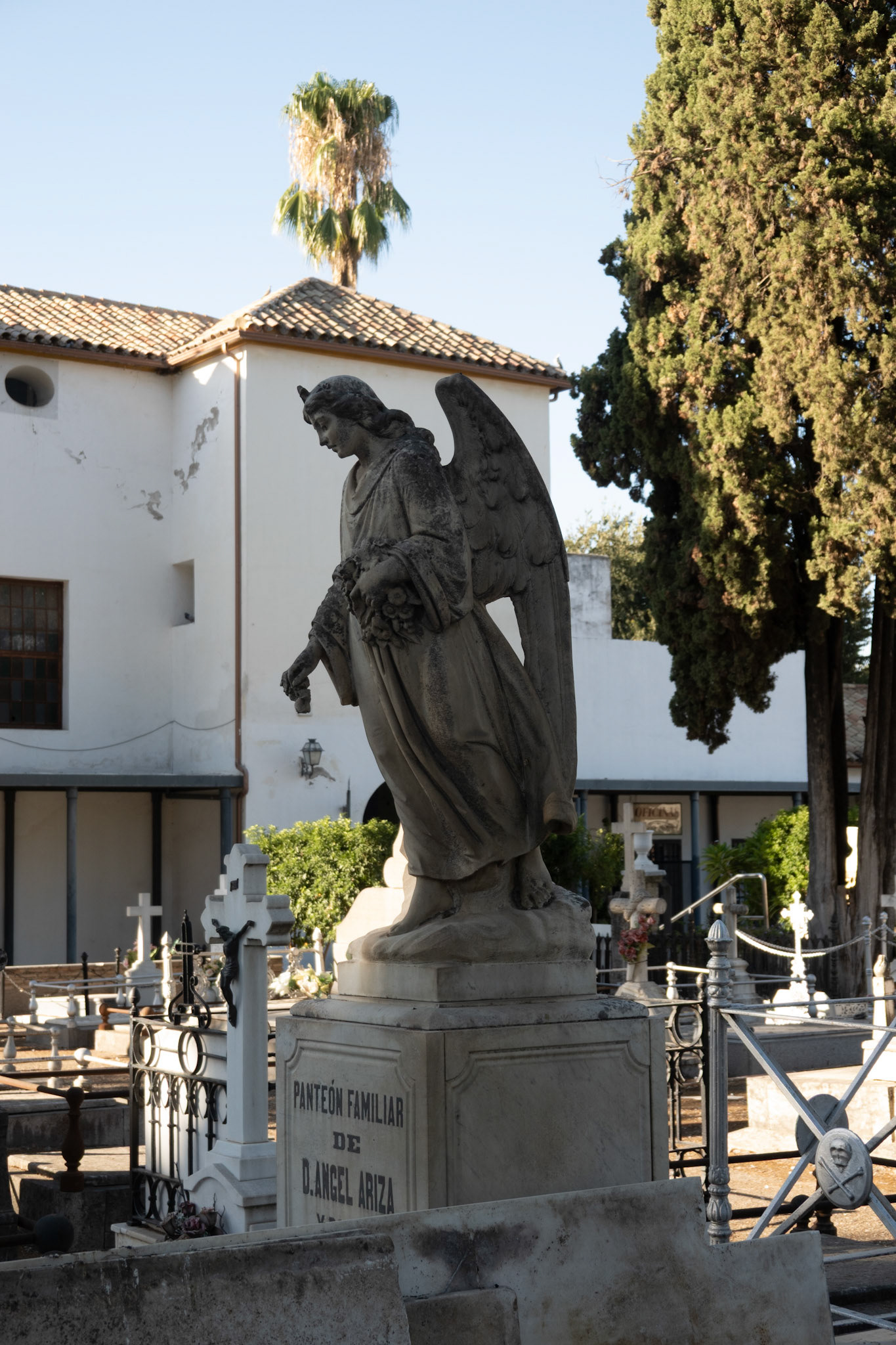
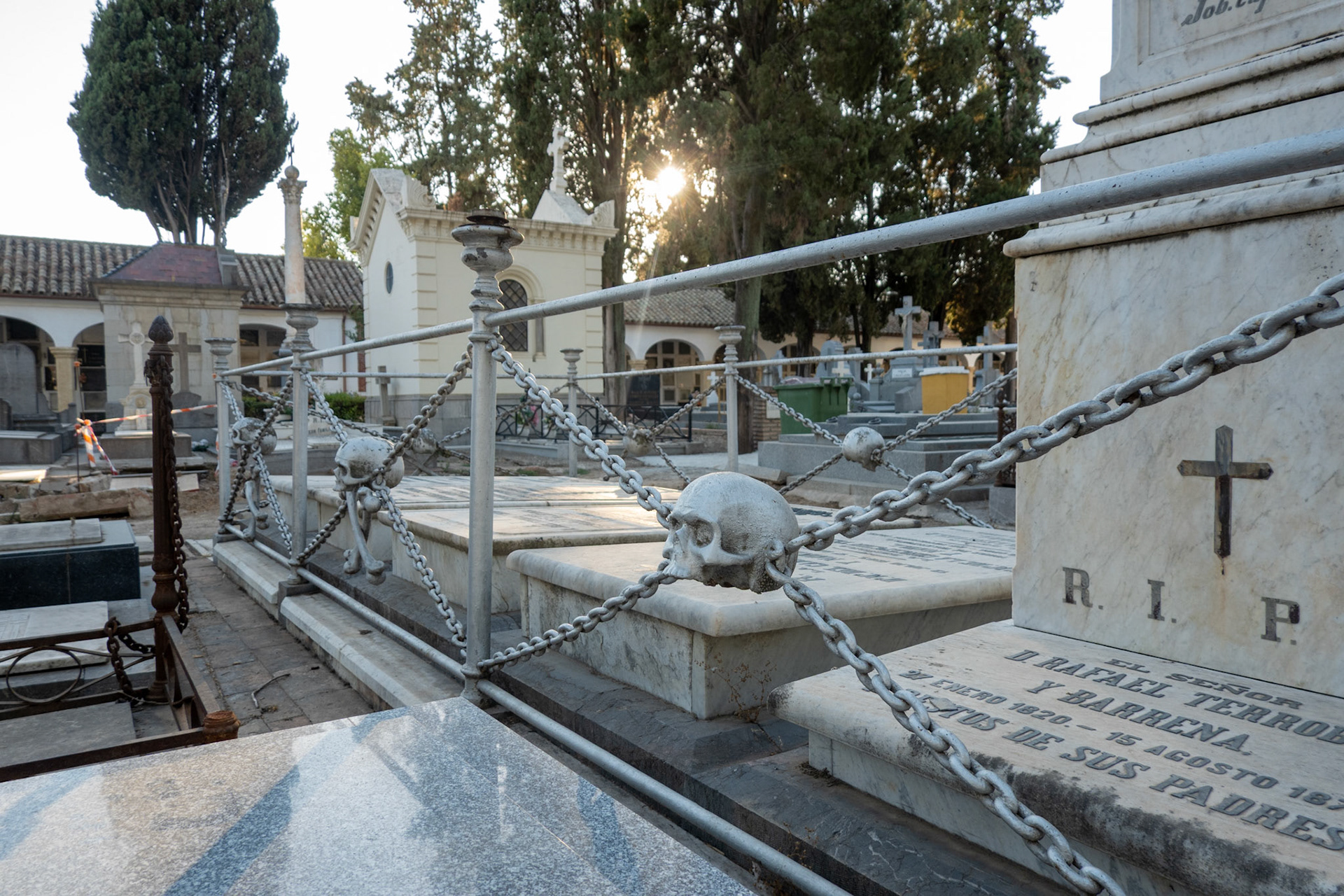
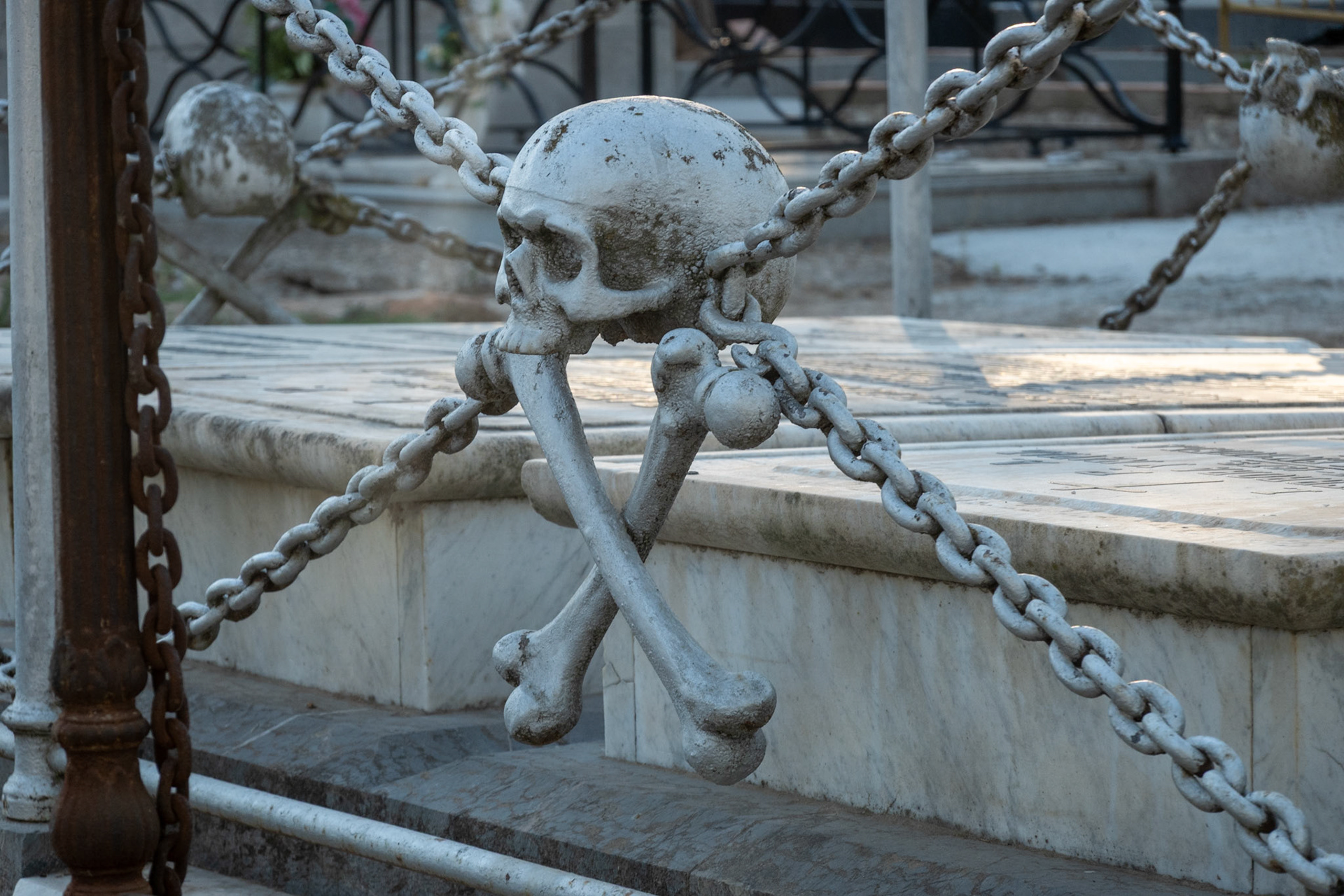
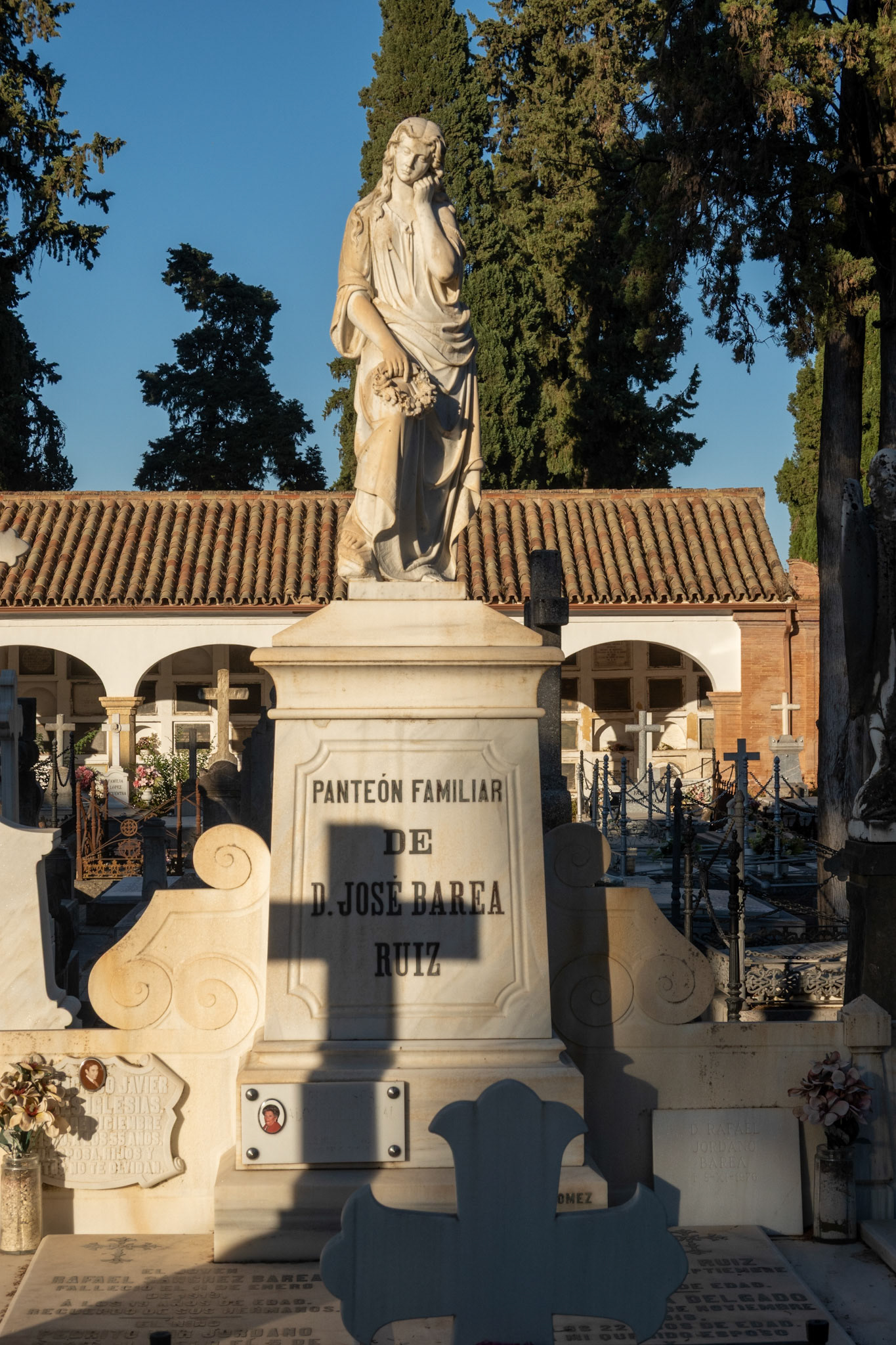
The Cementerio de San Rafael was completed in 1835 because the older Nuestra Señora de la Salud Cemetery was no longer sufficient. In 1849, the cemetery underwent major expansions, including the addition of a chapel, a residential building, and several administrative offices. For these structures, doors and columns from the dismantled San Pablo Monastery, as well as an altar from the Convent of the Augustinian Sisters of the Encarnación, were reused, among other materials. The arcaded galleries with their tombstones were built beginning in 1861 and continue to define the character of the cemetery to this day.
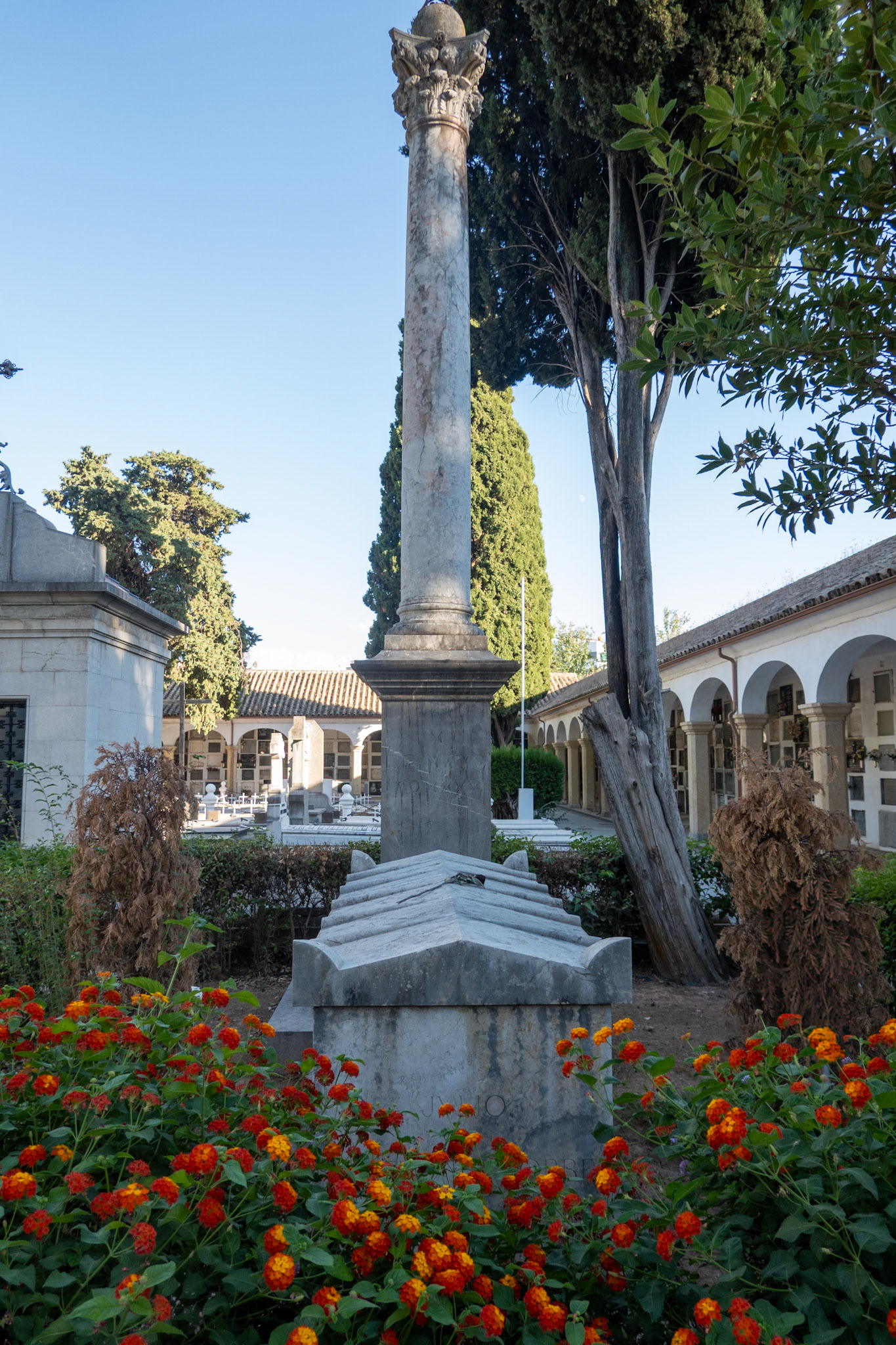
Among the most famous figures buried here is the painter Julio Romero de Torres, who lived from 1874 to 1930 and is considered one of the most important artists of modern Córdoba. Together with the graves of the Romero Barros family, the British painter Francis William Topham, and others, San Rafael preserves an unusually diverse cultural legacy spanning art, music, and literature.
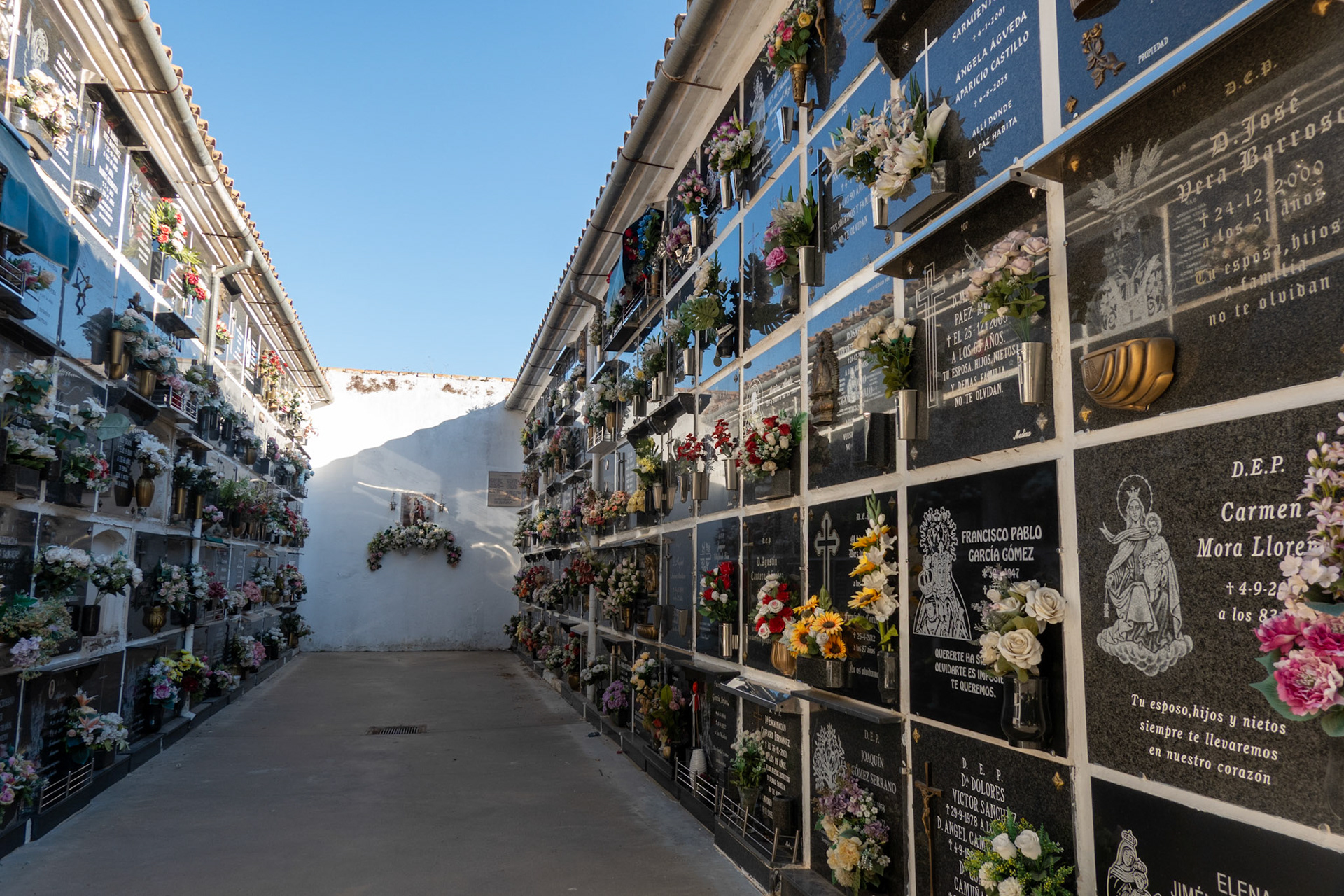
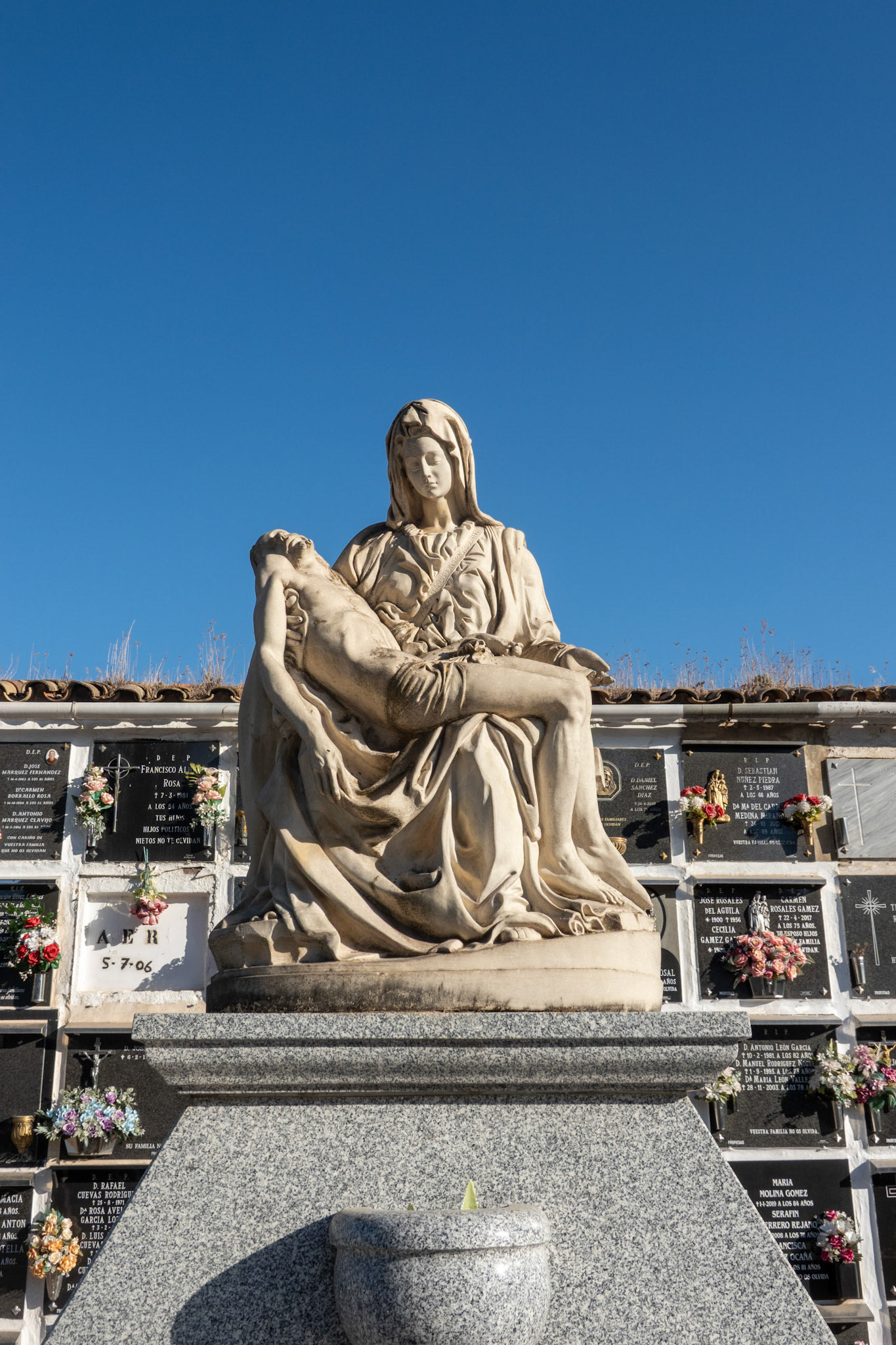
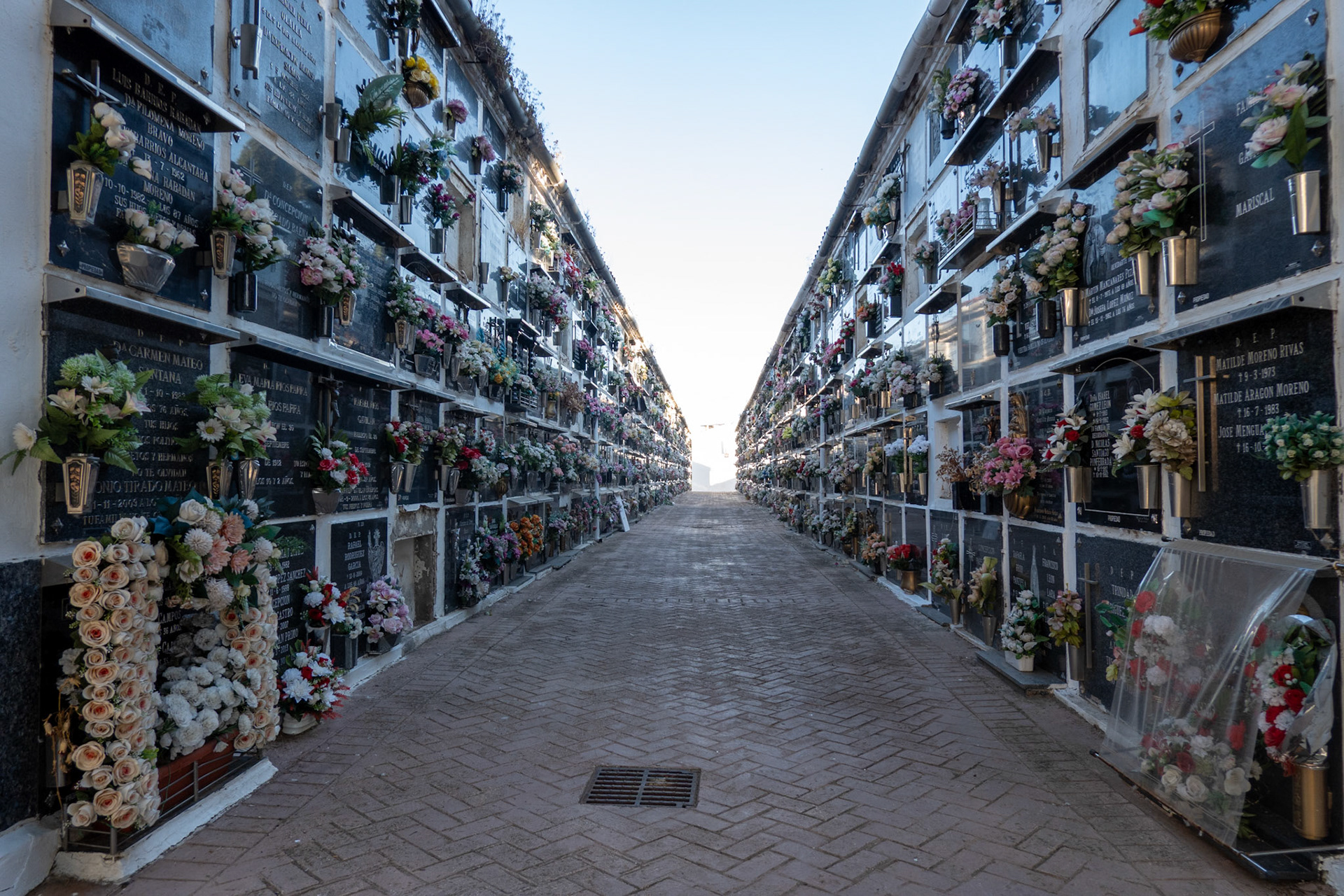
The “nichos” or “nicheras”—also known as niche graves—typical of Spain are a defining feature here as well. Here you can see entire “blocks” in which hundreds, if not thousands, of coffins are stacked. It is therefore understandable that Córdoba, with its population of over 300,000, has only two cemeteries.
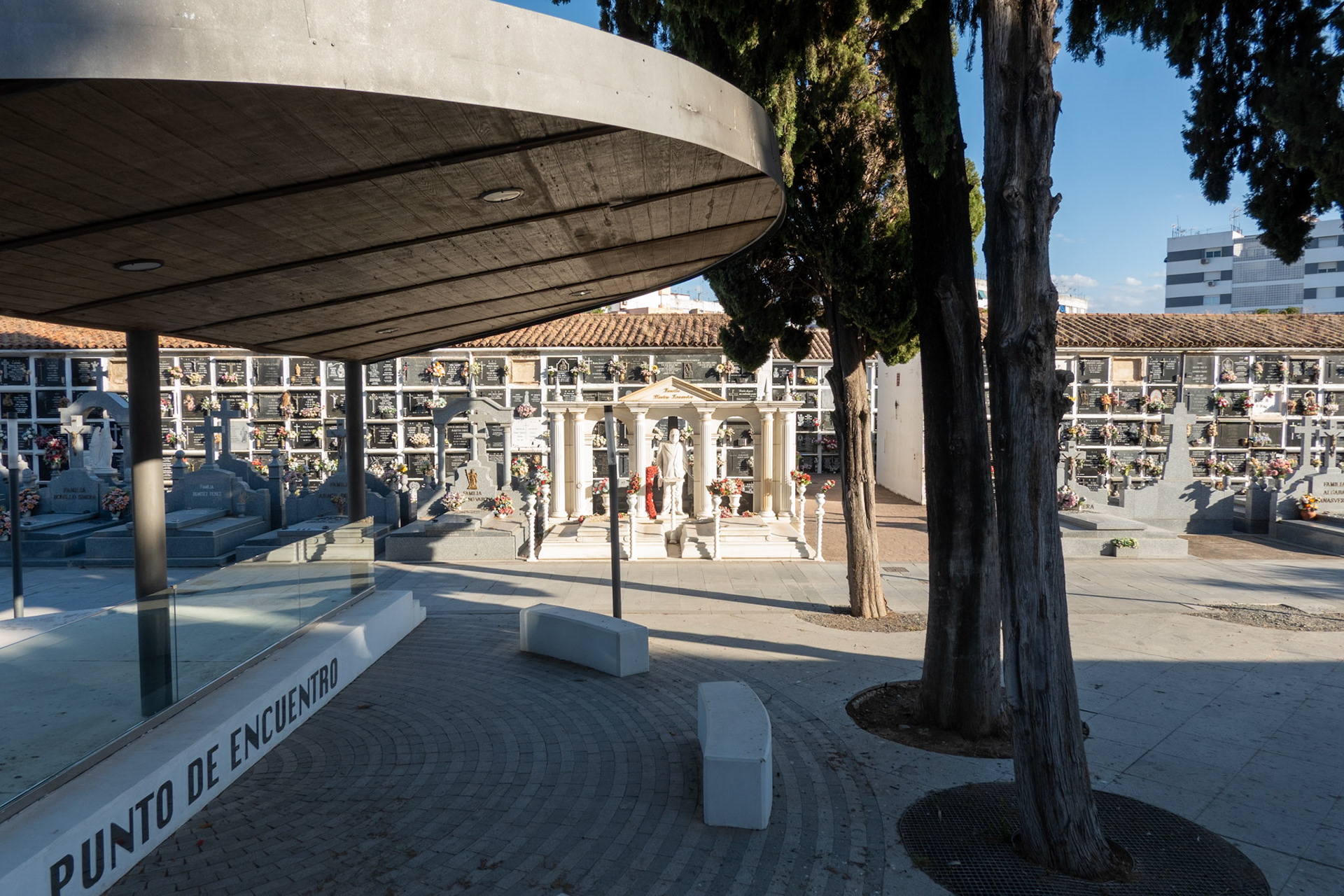
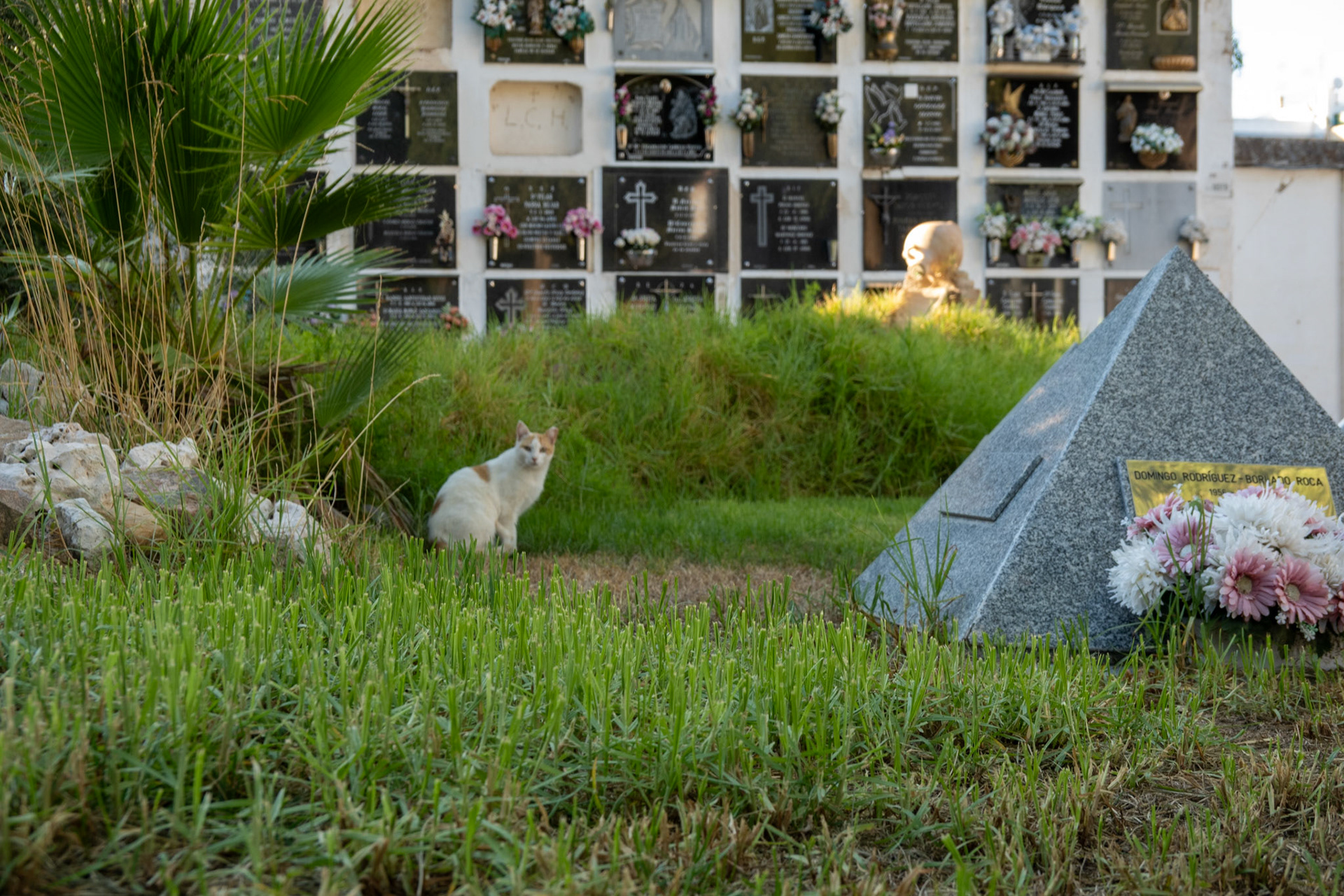
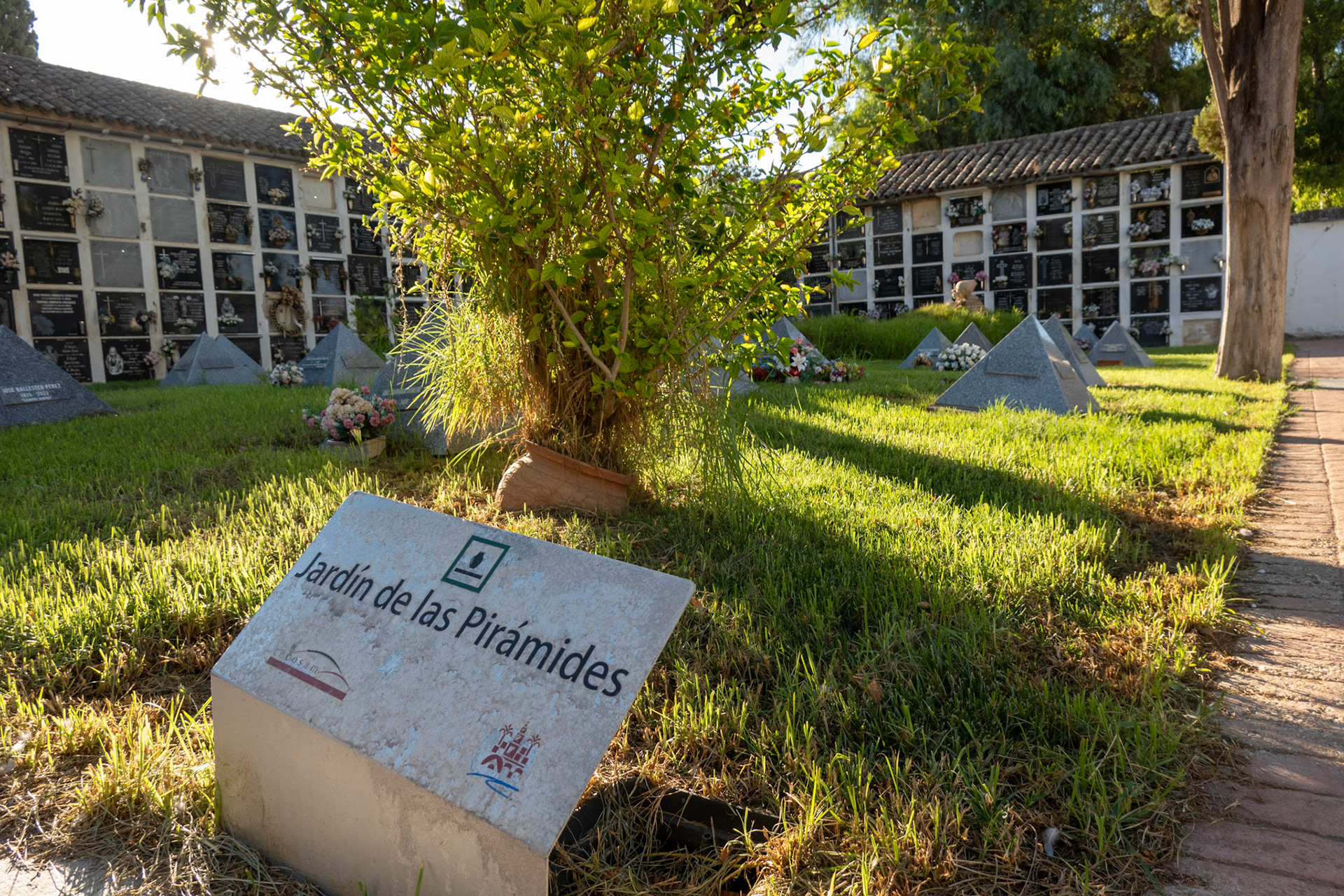
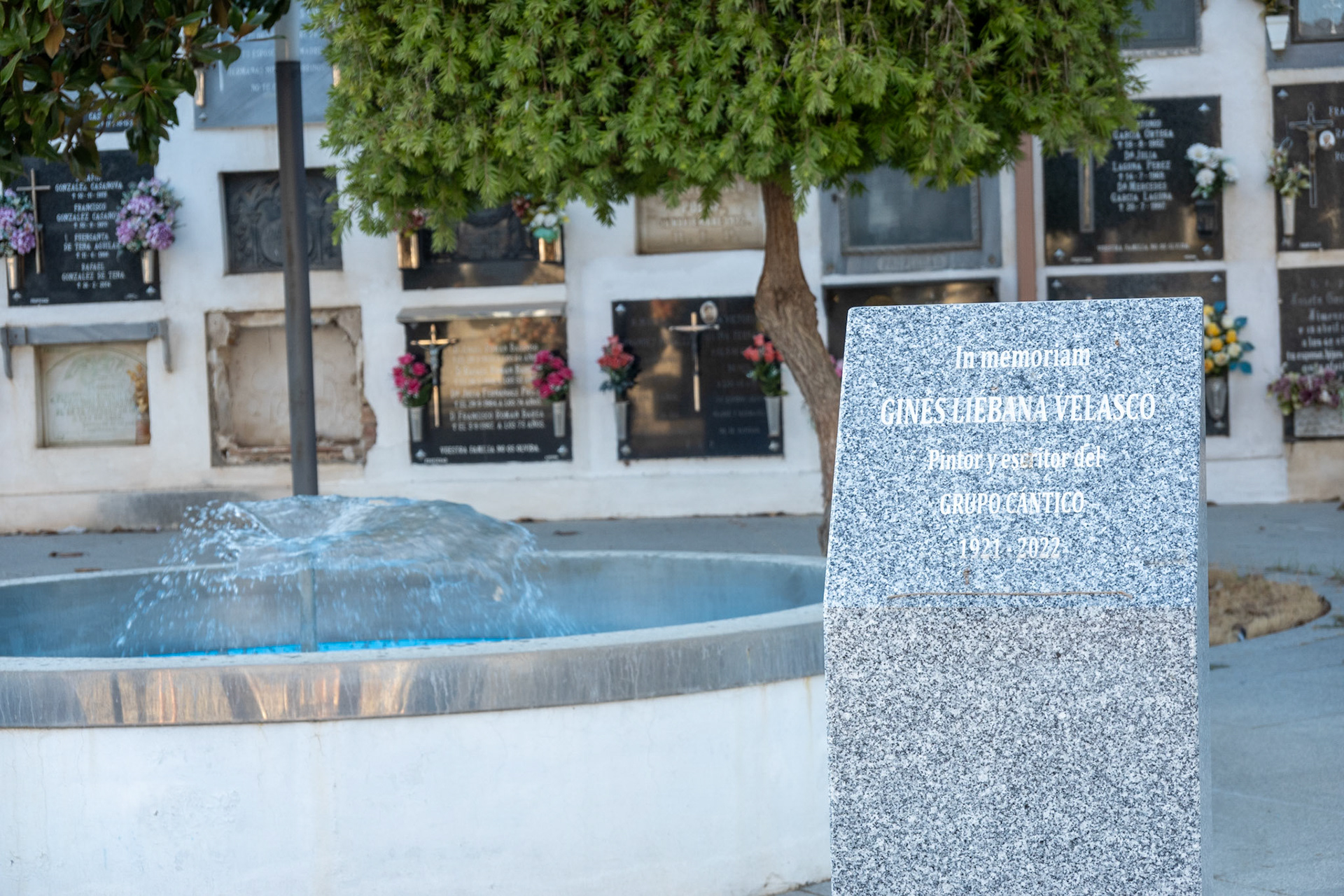
Here, too, cemetery culture continues to evolve; there are communal graves, such as the Jardín de las Pirámides (Garden of the Pyramids), a meeting place (Punto de Encuentro), and much more.
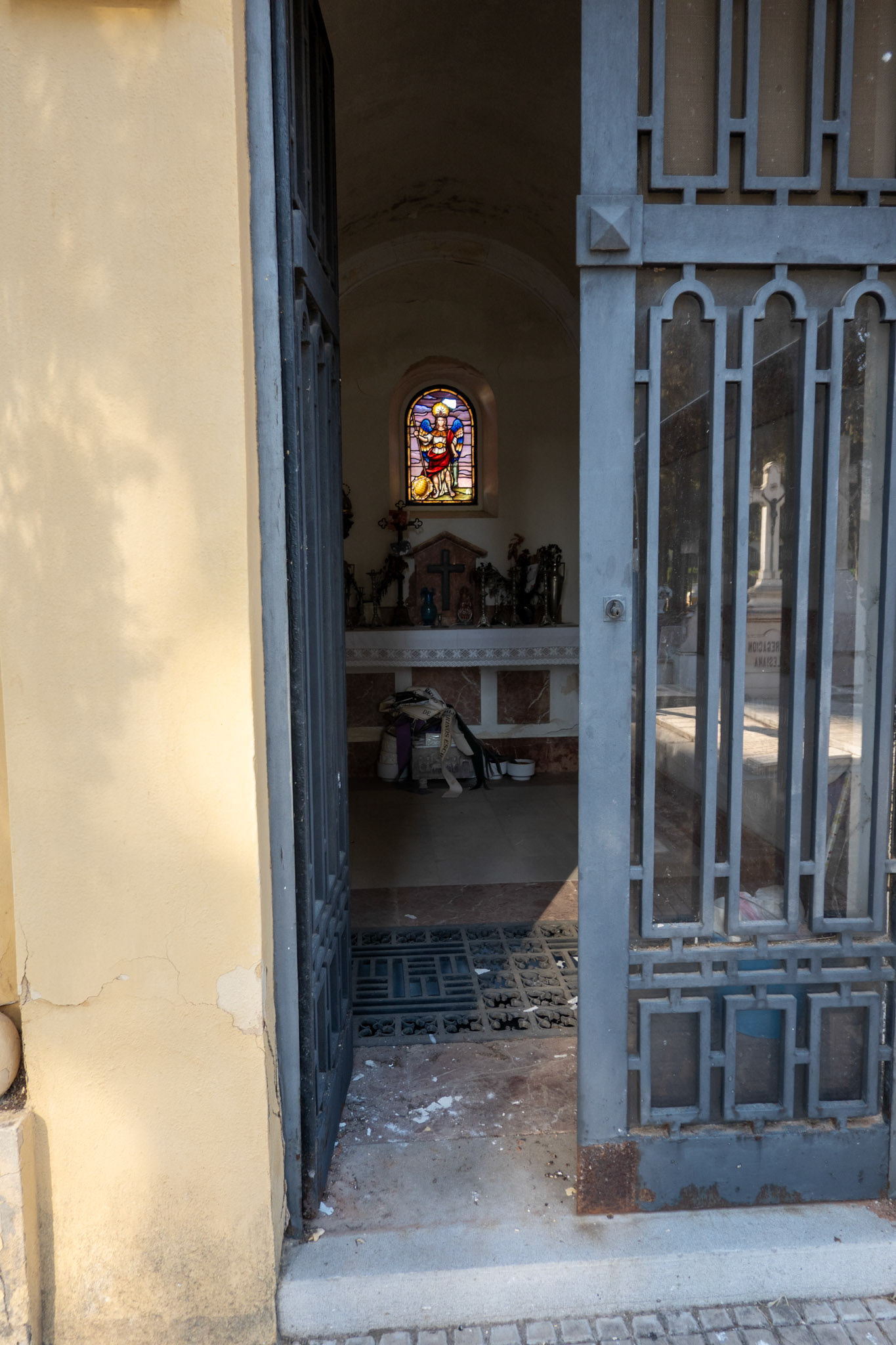
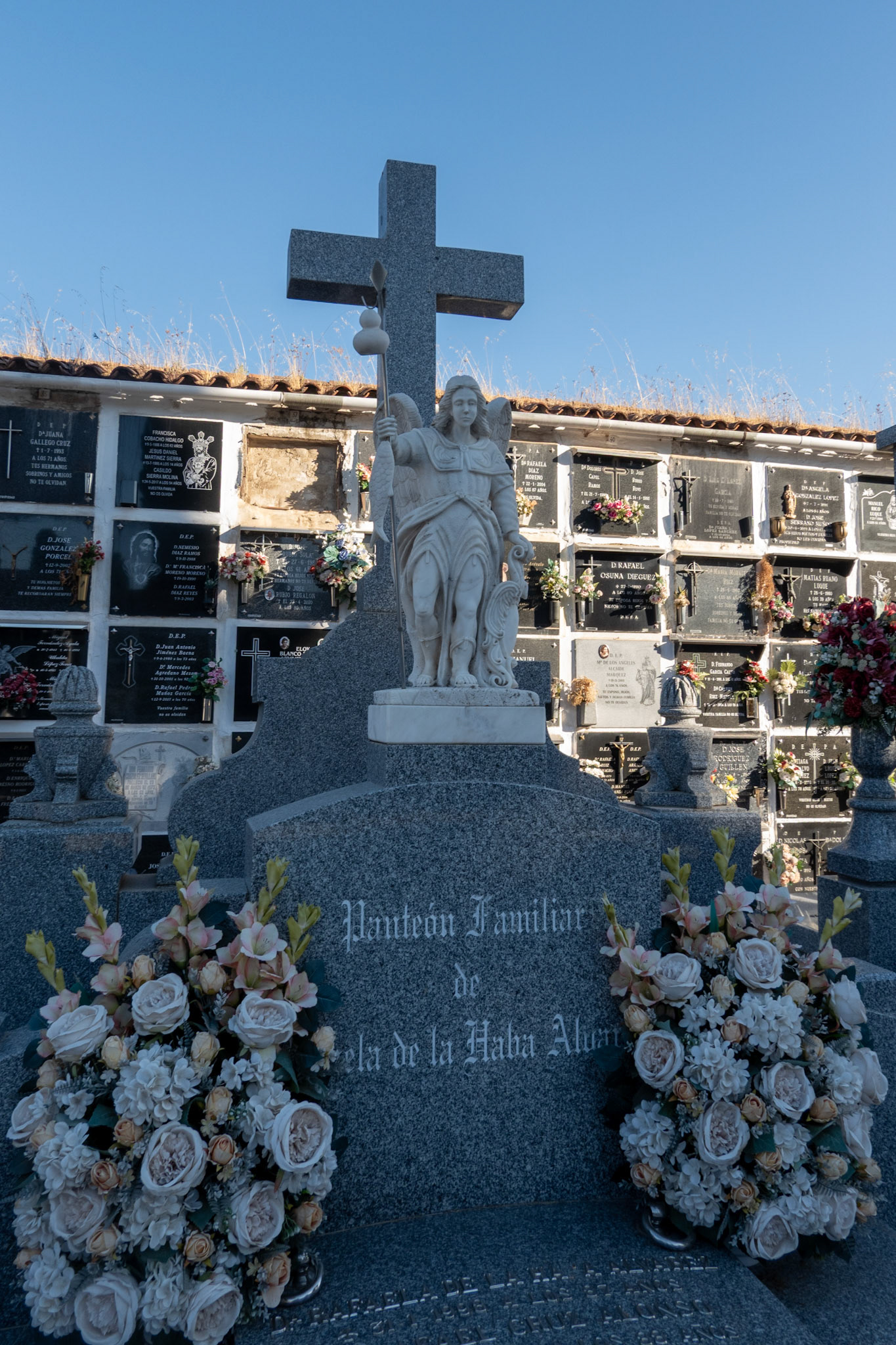
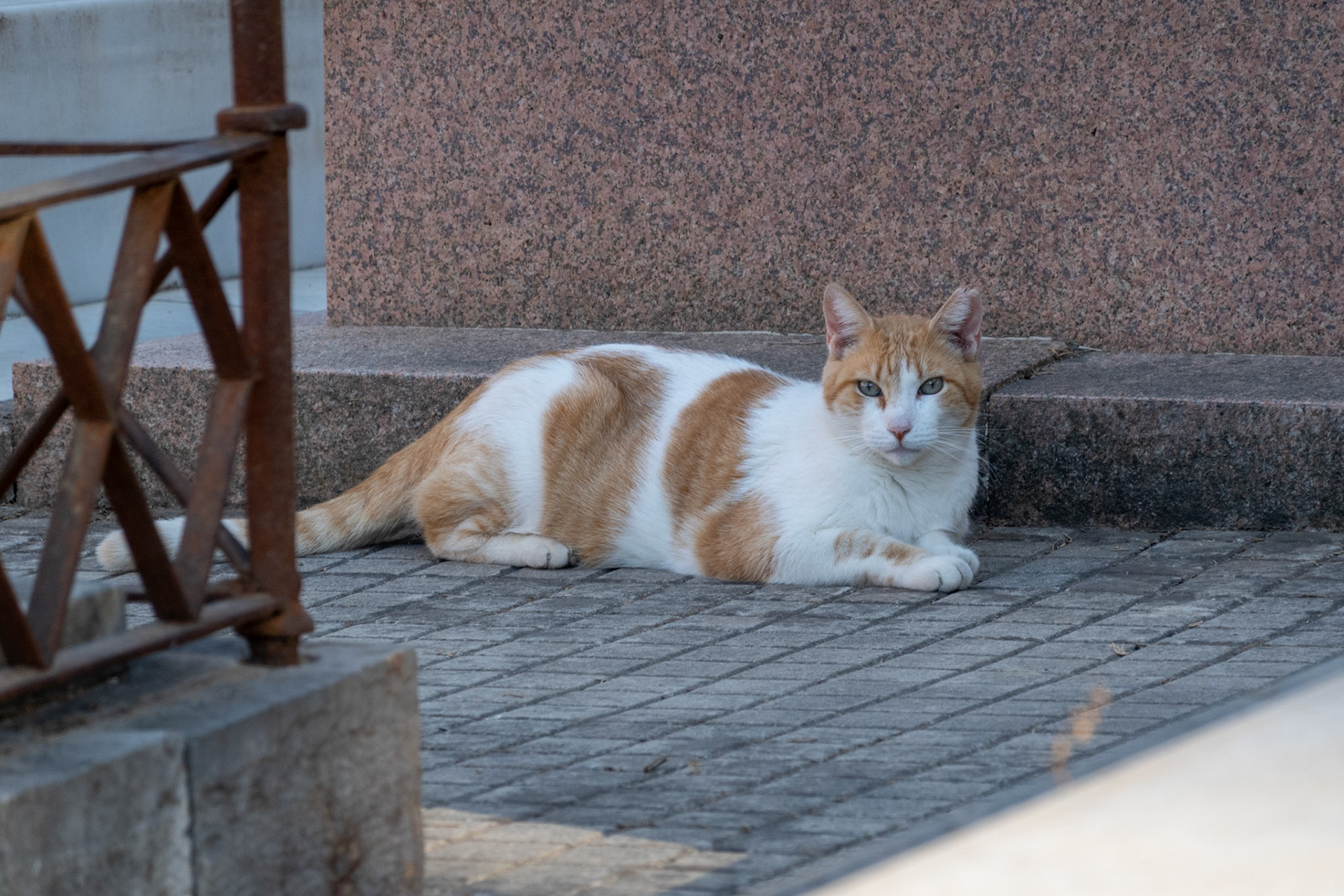
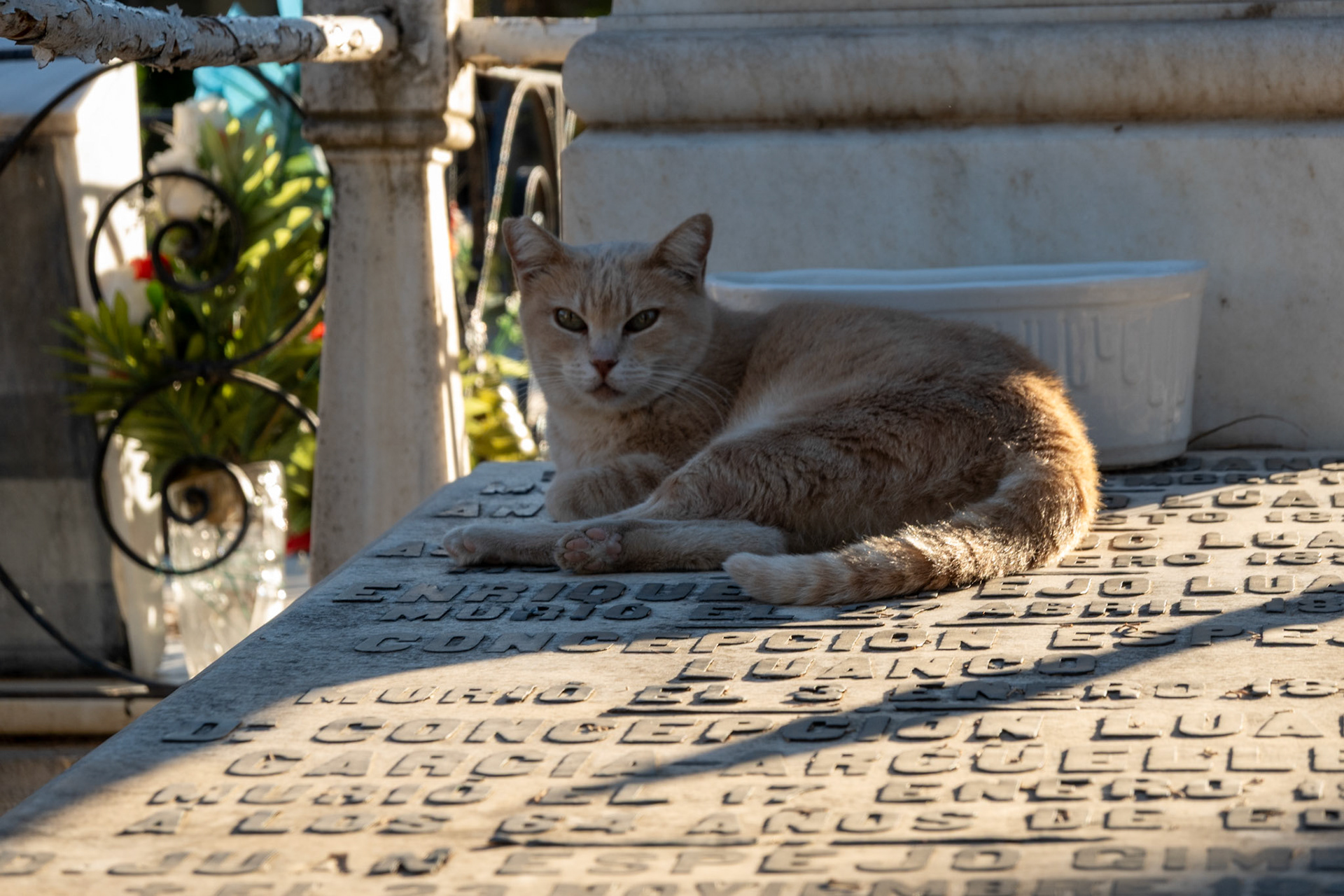
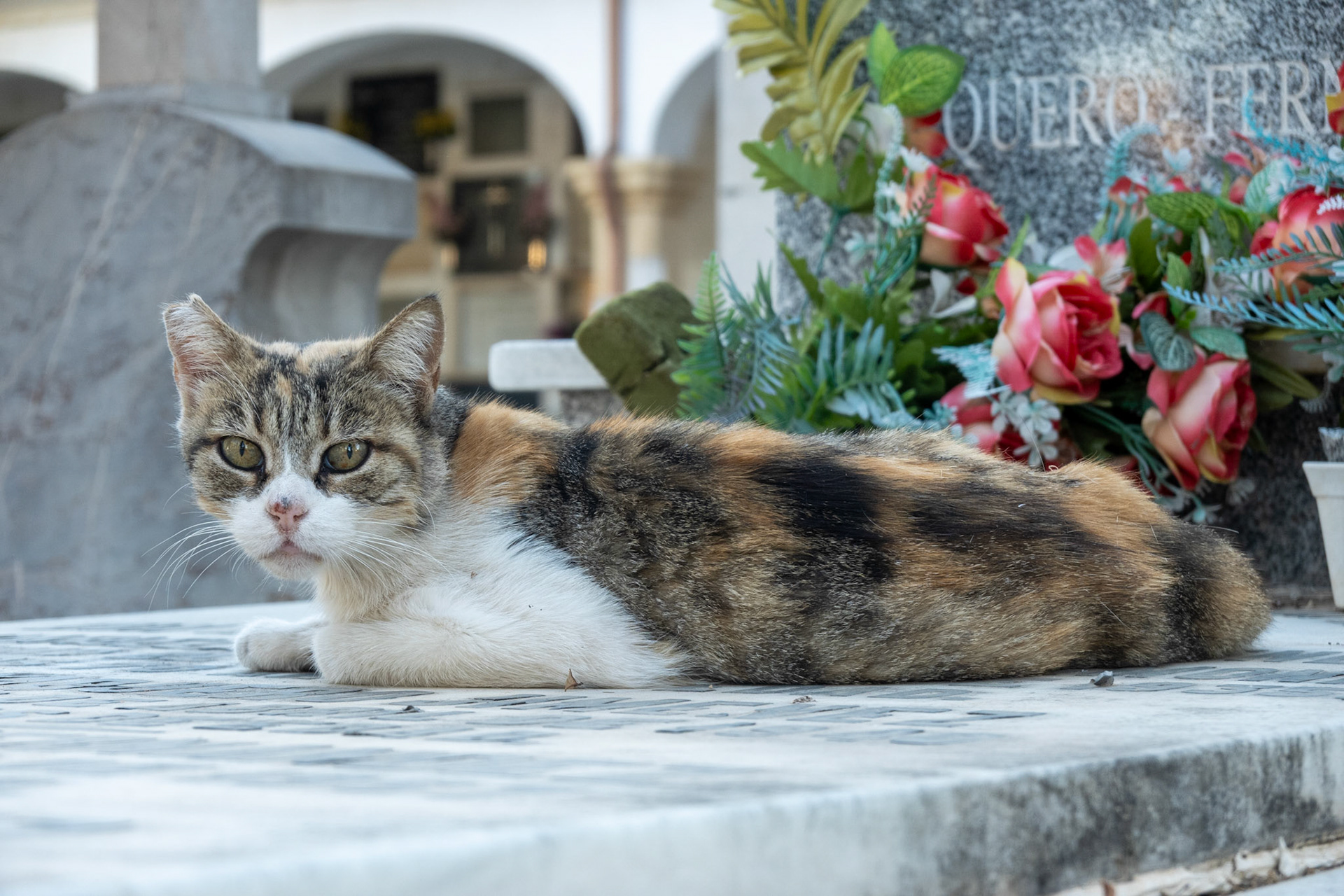
Two other things stand out here: First, the Archangel Raphael—the patron saint of Córdoba and the cemetery’s namesake—is present everywhere with his typical insignia, the pilgrim’s staff and the fish (see the Book of Tobit), and there are many cats roaming about. They look well-cared-for, are curious, but unfortunately very shy. In fact, they are cared for by volunteers; the small scars on their ears are not signs of fights, but rather indicate that they have been neutered.
Two other things stand out here: First, the Archangel Raphael—the patron saint of Córdoba and the cemetery’s namesake—is present everywhere with his typical insignia, the pilgrim’s staff and the fish (see the Book of Tobit), and there are many cats roaming about. They look well-cared-for, are curious, but unfortunately very shy. In fact, they are cared for by volunteers; the small scars on their ears are not signs of fights, but rather indicate that they have been neutered.